









Sustainability
Learn MoreAt Curtins, sustainability is at the core of our approach as we strive to build a better future.

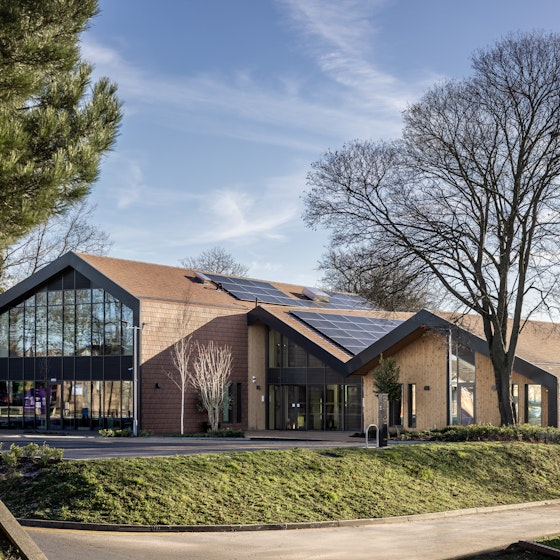
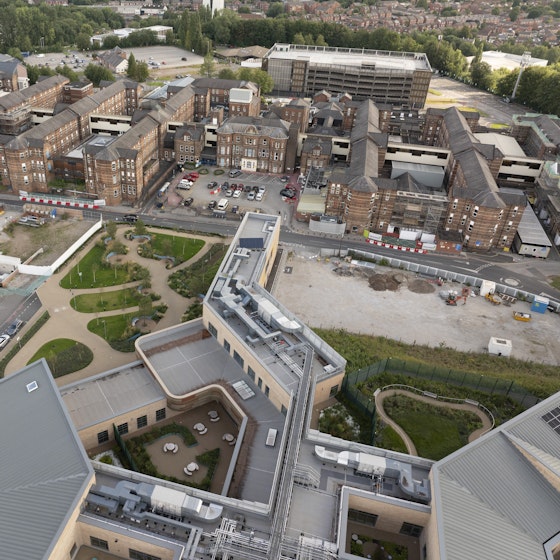
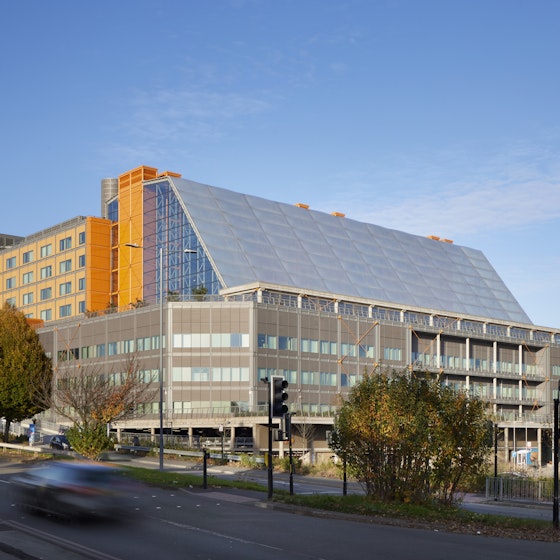
The Rob Burrow Centre for Motor Neurone Disease is a purpose-built facility located at Seacroft Hospital in Leeds bringing together specialist care, research and support services for MND under one roof.
Healthcare - The North, England
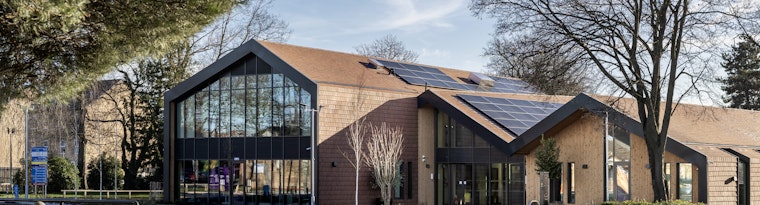
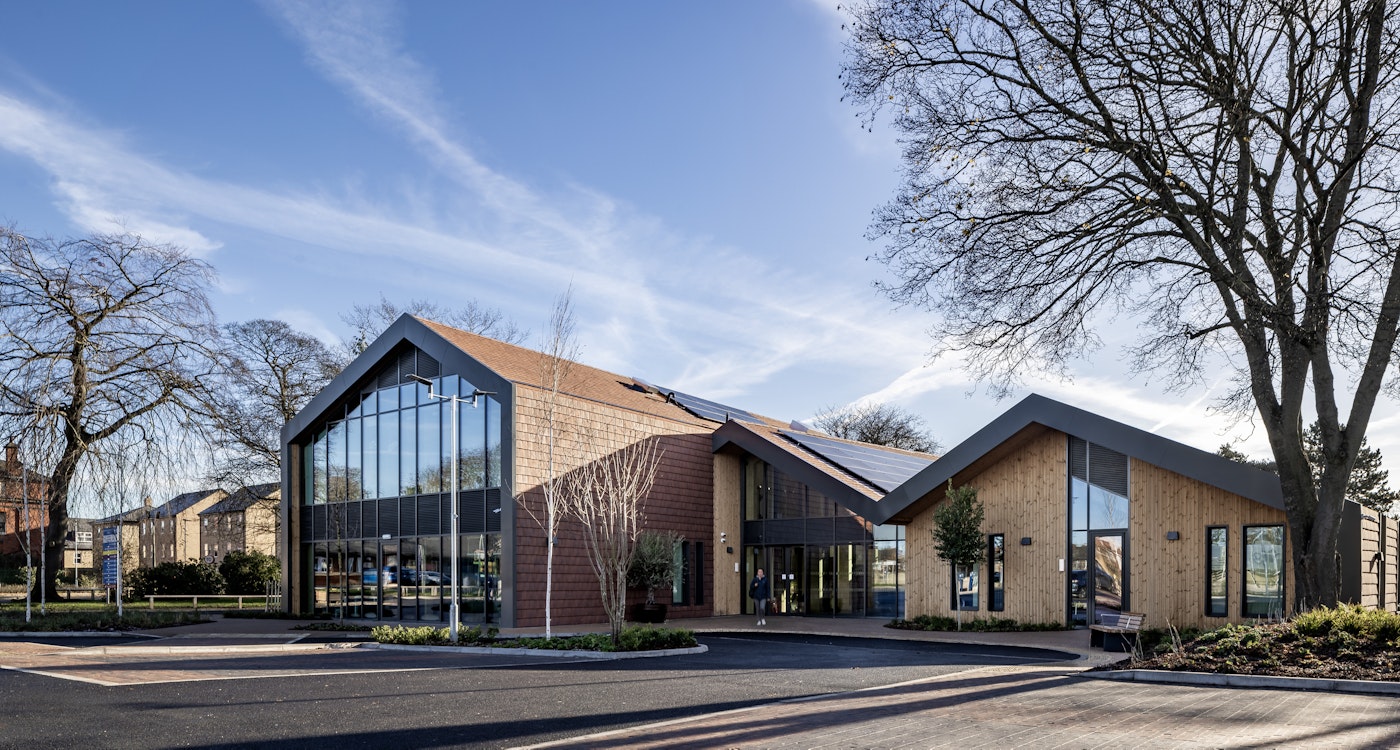
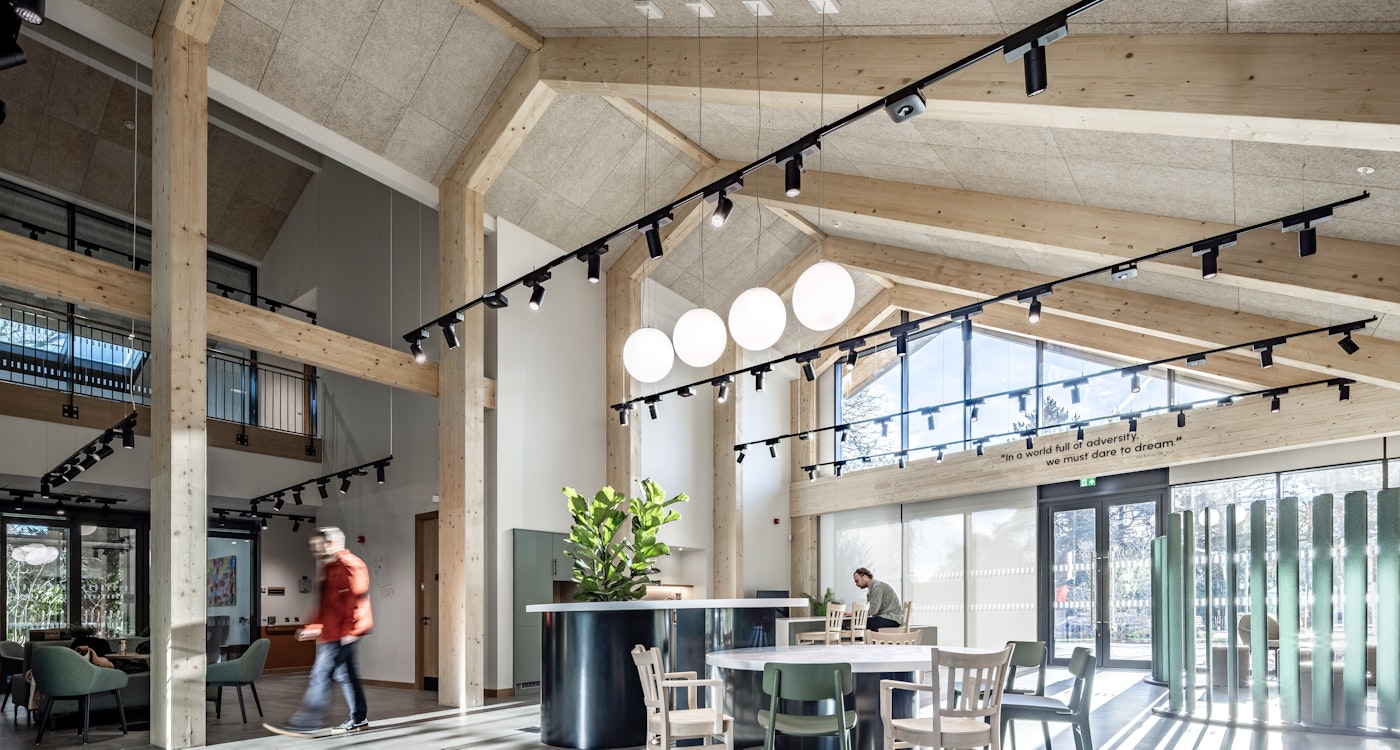
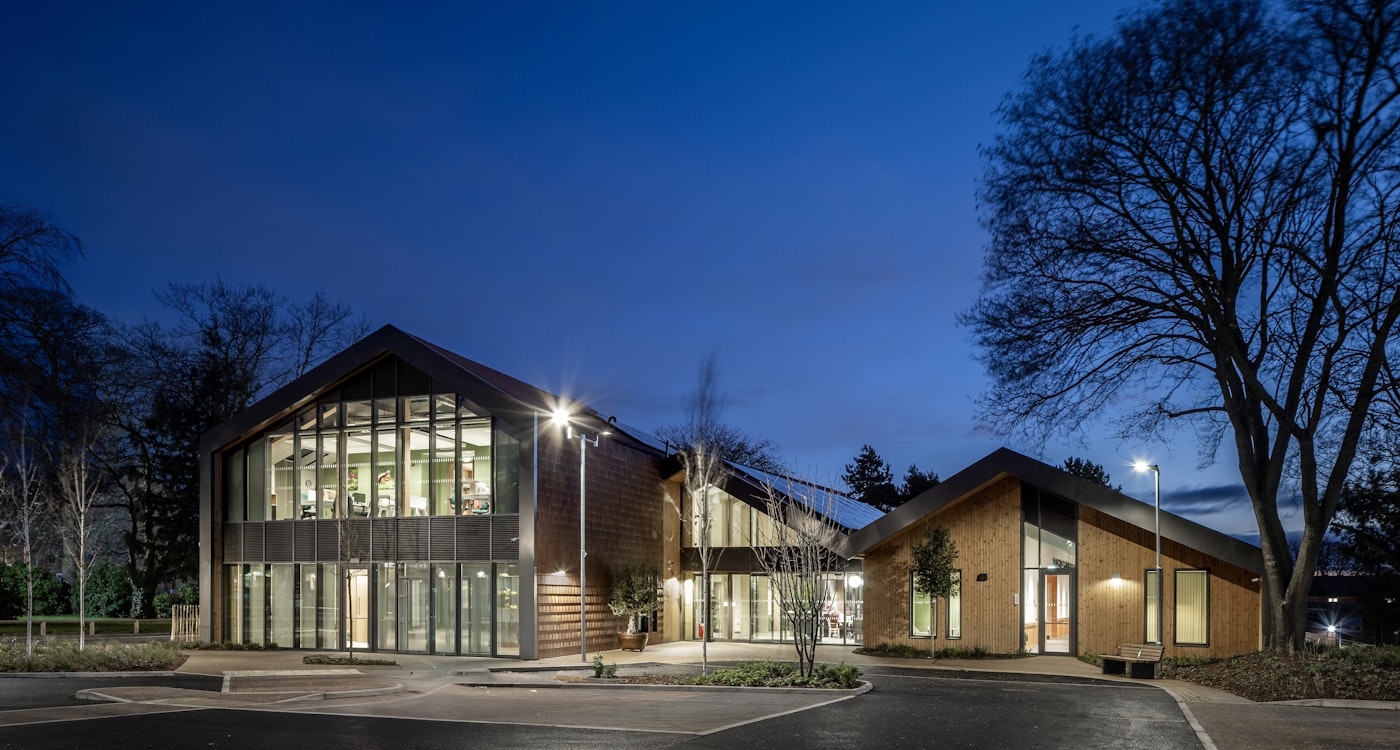
The Rob Burrow Centre for Motor Neurone Disease is a purpose-built facility located at Seacroft Hospital in Leeds bringing together specialist care, research and support services for MND under one roof. The building is arranged around a central atrium forming the main reception linking two clinical wings that accommodate therapy and consultation rooms at ground level with staff offices and wellbeing spaces above.
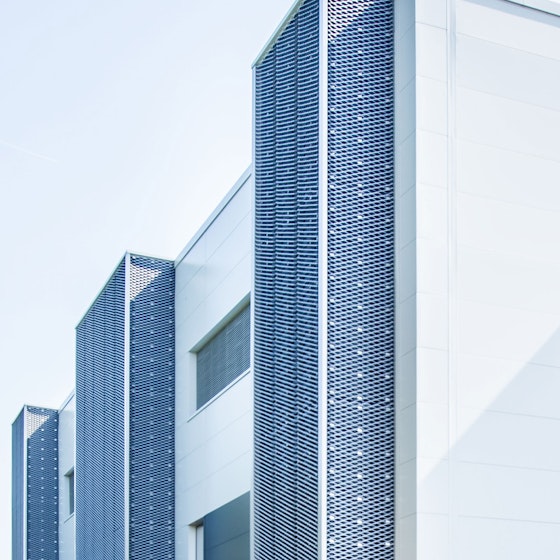
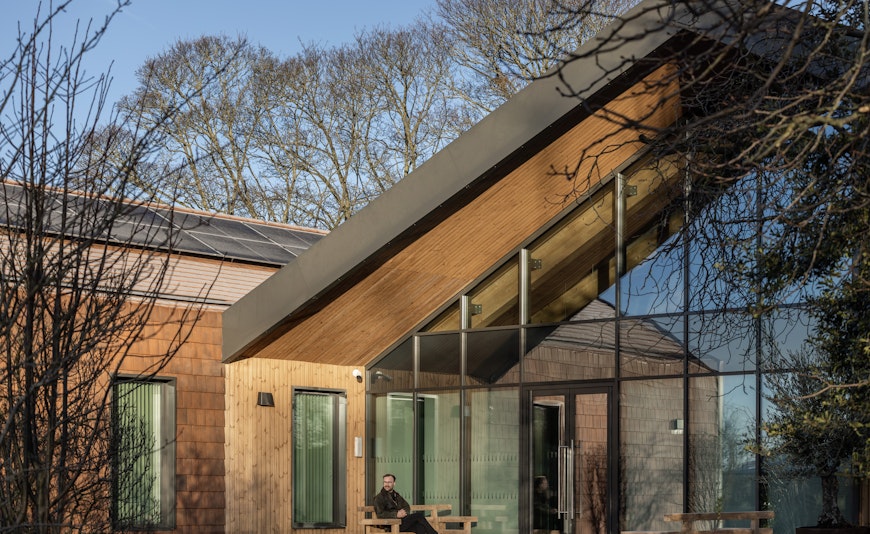
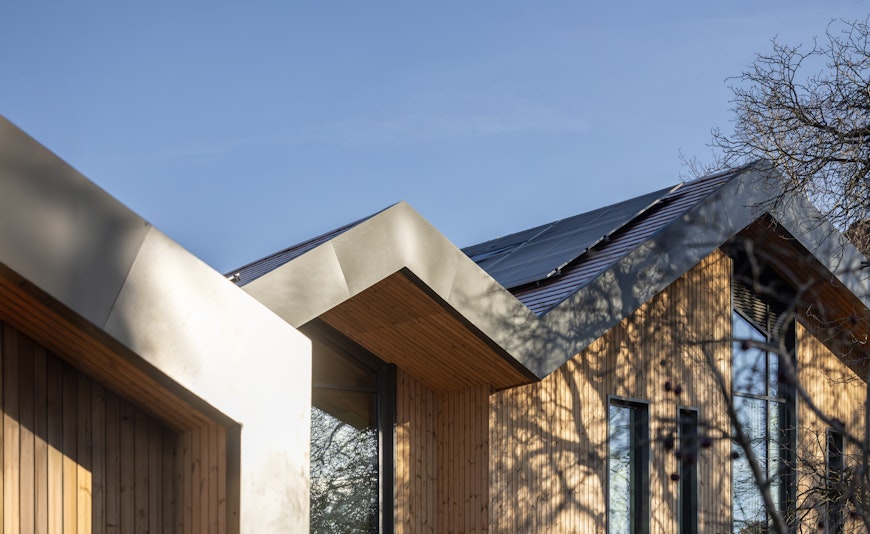
Designed to feel warm and non-institutional, the centre utilises pitched roof forms and extensive glazing that promotes daylight and transparency throughout the structure.
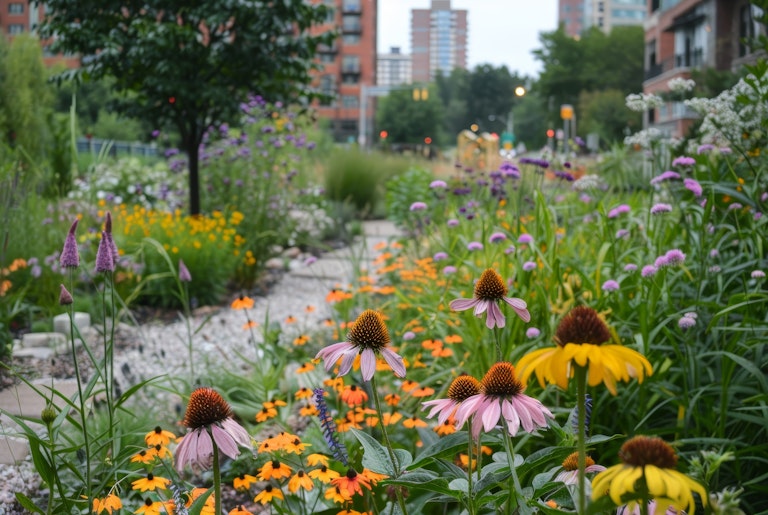
Landscaped gardens, accessible routes and sensory planting integrate the building with its surroundings creating a therapeutic and inclusive environment that prioritises comfort, dignity and connection for patients, families and staff.
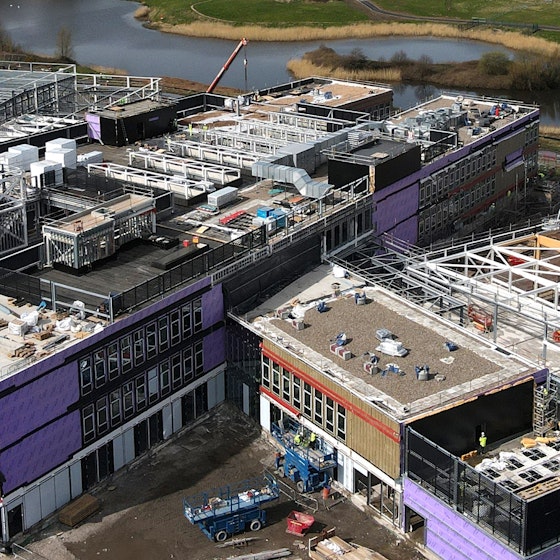
The structural and civil design was developed to deliver a robust, efficient and coordinated solution that balanced buildability and sustainability within the constraints of a live hospital environment.
Combined drainage run crossed directly beneath the proposed building. Leaving it in place could have compromised the foundation layout and would have limited future maintenance.
We developed and coordinated a full diversion strategy, replacing the existing system with new 1200 mm diameter PCC pipework outside the new building footprint, maintaining gradients and hydraulic capacity. This work was sequenced early as an enabling package to avoid delaying the main works and ensured the hospital’s drainage remained fully operational throughout construction.
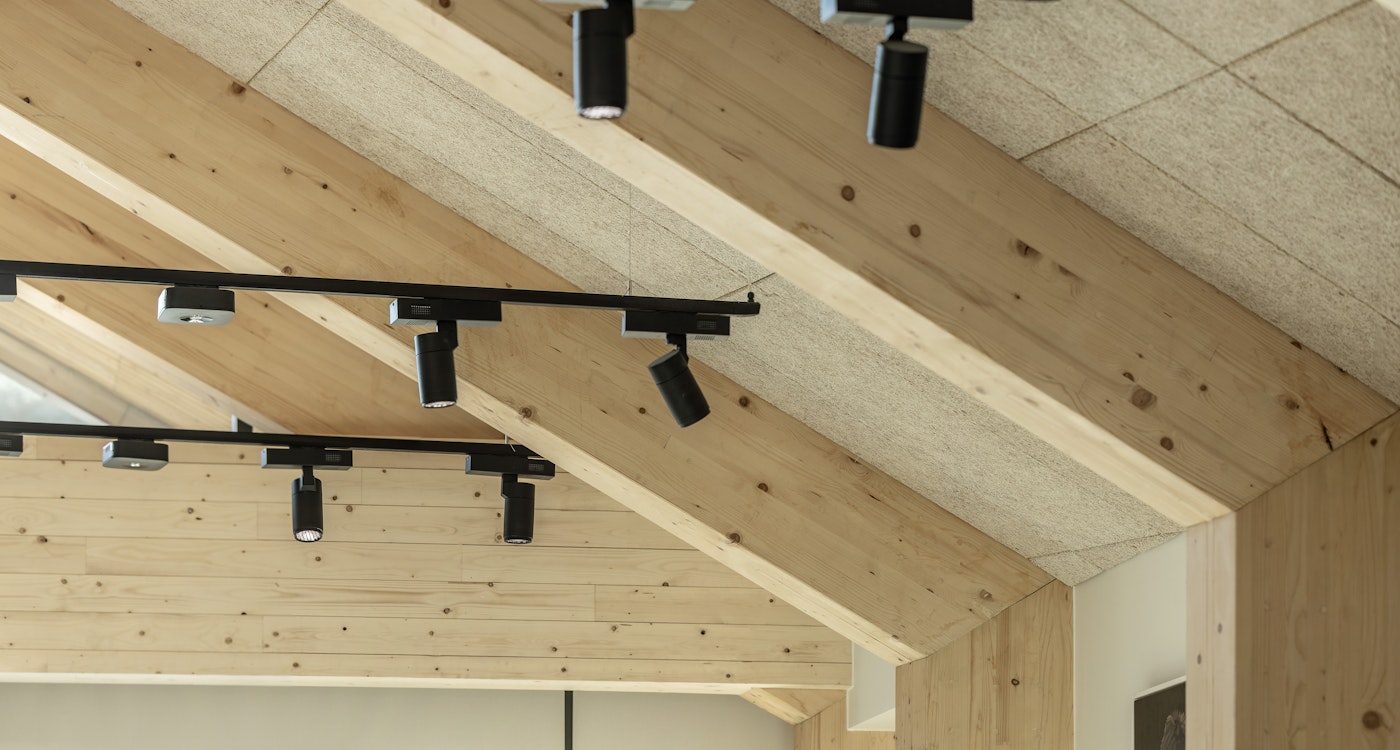
MMC offsite manufacturing of superstructure elements including SIPs panels and Glulam frame.
Long span glulam frame provides flexibility for internal reconfiguration over the building’s life cycle showing future adaptability of the structure.
Glulam frame designed with reuse potential in mind, to align with circular economy principles.
Sustainable drainage features were integrated throughout the site, including permeable paving and geocellular attenuation tanks that control discharge to the existing combined network and reduce peak flows.
Supported BREEAM Excellent aspirations through material optimisation, rationalised reinforcement, offsite fabrication and opportunities for future adaptability.
Adopted a glulam frame and SIP superstructure, selected through a formal options appraisal for its low embodied carbon, speed of erection and material efficiency.
Diverted a major combined drainage run crossing the building footprint, replacing it with new 1200 mm PCC pipework while retaining hydraulic performance and protecting the estate network.
Embedded sustainable drainage measures including permeable paving and attenuation tanks to restrict discharge to the hospital’s combined network.
Integrated beam-and-block flooring to provide a robust, efficient and low-waste ground-floor system compatible with the site’s variable ground conditions.
Incorporated heave protection adjacent to mature trees, retaining existing landscape features while mitigating future ground movement
At Curtins, sustainability is at the core of our approach as we strive to build a better future.
At the heart of our innovative approach to building design is our commitment to delivering projects with unparalleled quality, speed, safety, and efficiency.
Green infrastructure led design promotes biodiversity and enhances the wellbeing of communities, so we bring this experienced approach to our projects in Wales, as well as the rest of the UK to deliver innovative and biophilic design, in harmony with the natural environment.
The Rob Burrow Centre for Motor Neurone Disease is a purpose-built facility located at Seacroft Hospital in Leeds bringing together specialist care, research and support services for MND under one roof.
A new high quality acute hospital, using sustainable construction methods. The new healthcare facility accommodates clinical wards, office space, educational facilities, and a wellbeing hub.
Midland Metropolitan Hospital is one of the largest acute hospital developments in Europe.
Large-scale reconfiguration of the Royal Bournemouth and Poole Hospitals.
Pentre Awel is the first development of its scope and size in Wales providing world-class medical research and health care delivery and supporting and encouraging people to lead active and healthy lives.
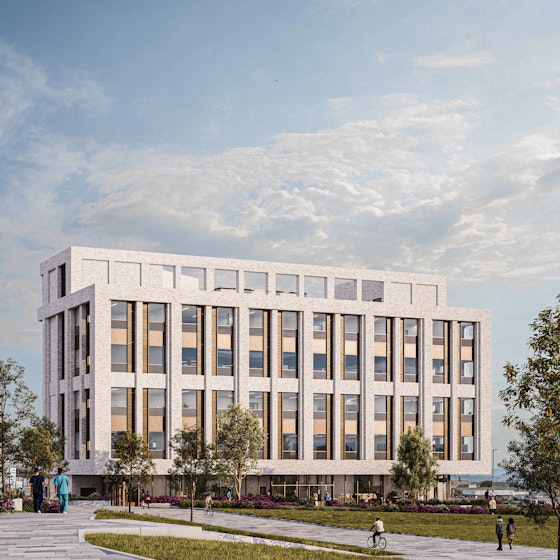
Forming part of the Southgate masterplan, the University of Huddersfield’s Southgate Building 2 is the second addition to the wider National Health Innovation Campus and will offer 6,000 m2 of teaching and NHS diagnostic space across five storeys.
Let’s talk about your next project and how our experienced team can help
Find your nearest Curtins office
Contact