


Tetley Site, South Bank Leeds
A vibrant redevelopment of the former Tetley Brewery Site in Leeds to create a well-connected and sustainable new neighbourhood.
Mixed Use Regeneration - The North, England
- Home
- Our Experience
- Tetley Site, South Bank Leeds
Project Overview
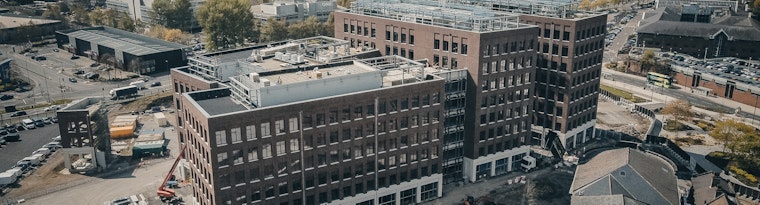
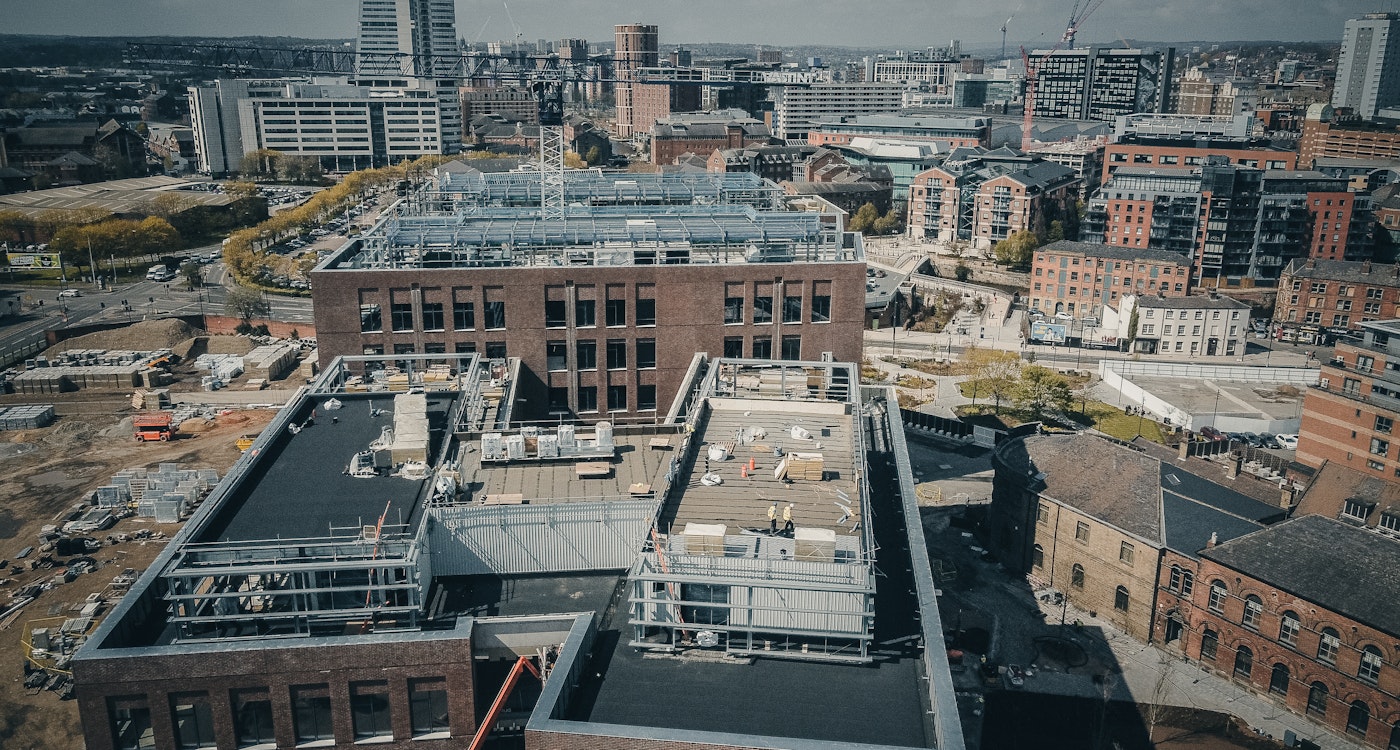
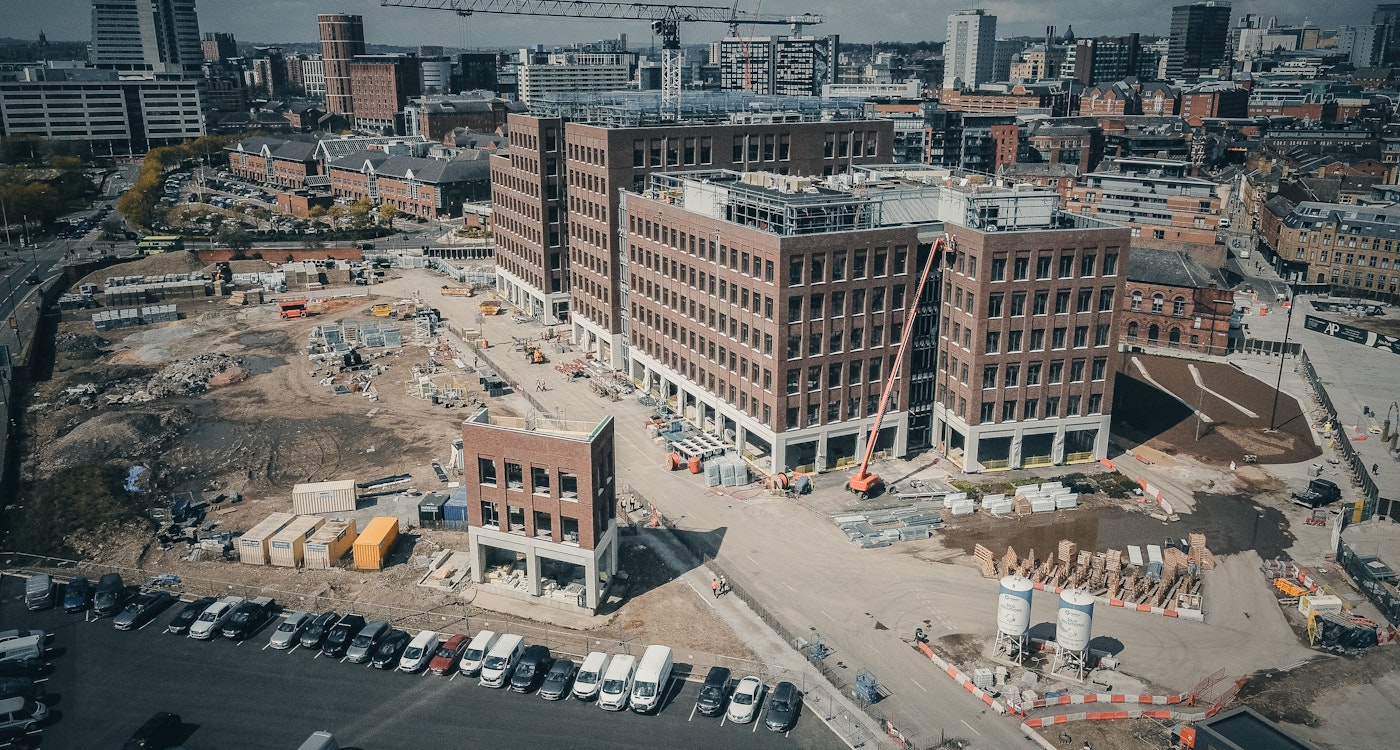
This 8.1 hectare site that was formerly the Tetley Brewery is set to become a vibrant, well-connected and sustainable mixed-use neighbourhood, with a generously-sized urban park at its heart. The aim of the scheme is to support the expansion of the city core, providing a vital link to the city centre from Leeds South Bank
We have been involved in the overall masterplan since 2020; appointed to provide design services for all individual plots to date and delivering a detailed sustainability assessment to support the planning application.
As part of this assessment, we considered the use of Green Concrete Technology and other emerging technologies. This has led to the development of an alternative concrete specification, that utilises cement replacement techniques to reduce the embodied carbon of the new buildings, and further assessments into alternative structural solutions for our client, to enable a carbon saving in the future buildings that they provide.
The development includes:
Plot MU3: A £32m 8-storey 300,000sqft commercial office building providing Grade A accommodation, designed to MMC requirements.
Plot MU4: A £24m 6-storey 130,000sqft commercial office building providing Grade A accommodation, designed to MMC requirements.
Plot MU2a: A £24m 10-storey car park, accommodating a futureproof requirement of 100% EV charging spaces
Plot MU2b: Mixed-use scheme
Plot R2 & R3: 7 buildings ranging from 7 to 15 storeys, providing a total of 421 apartments.
Plot R1: A residential scheme providing 212 apartments over 22-storey building
Plot MU3b: Over 10,000m3 GIA of residential apartments over 14 storeys, with commercial units on the ground floor
The Challenge
Historical industrial use on the site.
Our Solution
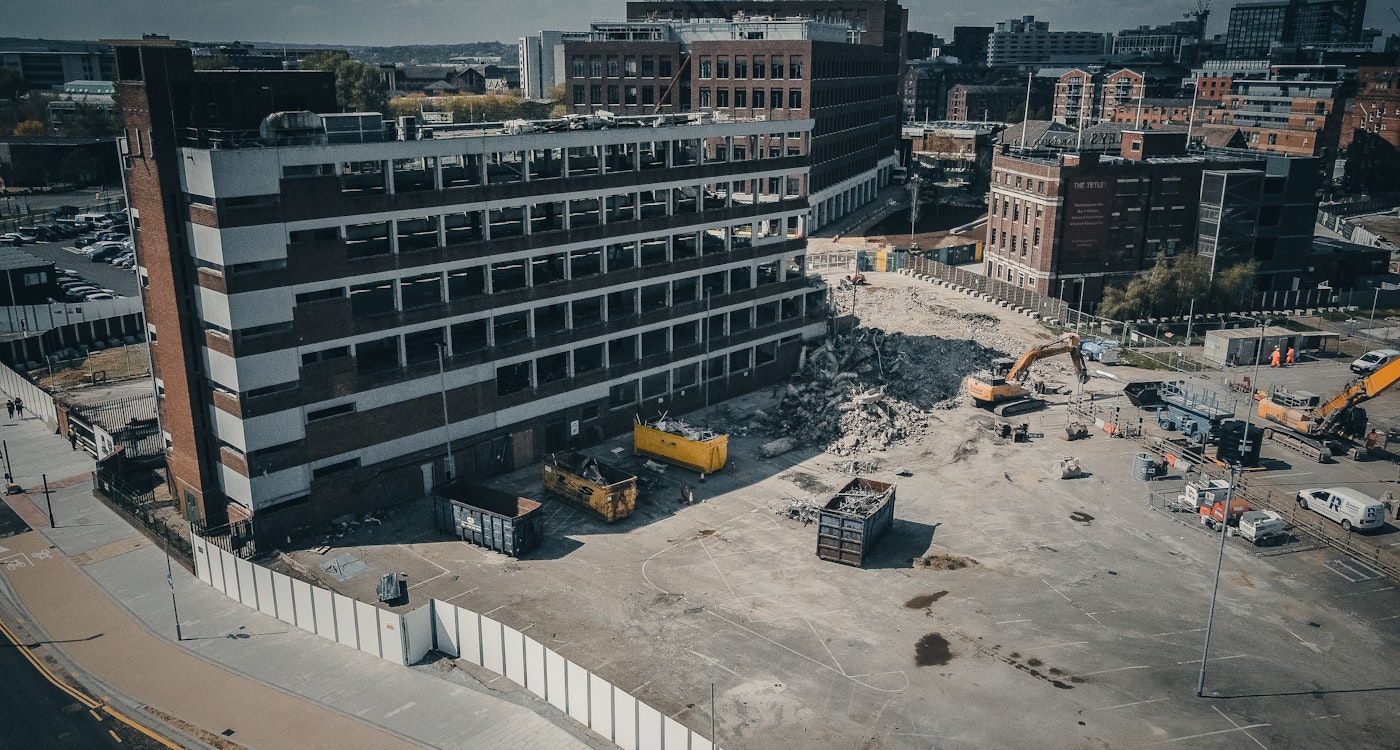
A significant enabling and remediation works contract has been undertaken on the site which has involved excavation of the made ground, before grading the material and relaying on site in compacted layers. The use of a borrow pit has helped to raise the site levels to accommodate the flood requirements whilst minimising the import and export of material. The remediation accommodated the loads from the piling rigs, and also enabled all ground floor slabs to be ground bearing.
The use of king post walls at strategic locations around the perimeter of the site has enabled the remediation to go all the way to the site boundary where required by the new structures. When the land next door was purchased, this king post wall allowed the enabling works of the adjacent land to be located immediately adjacent to the king post wall, minimising the impact on the constructed MU3a plot.
Our Approach To...


Similar Projects


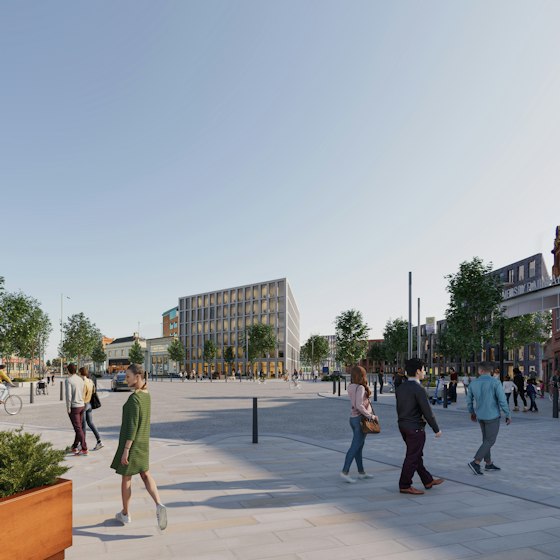
The Borough Yard project involves the regeneration and transformation of a significant 12-hectare brownfield site, paving the way for approximately 1,400 new homes. This initiative directly supports Wirral Council’s Local Plan for 2021–2037, contributing to the area’s long-term growth and regeneration.
Borough Yard, Birkenhead

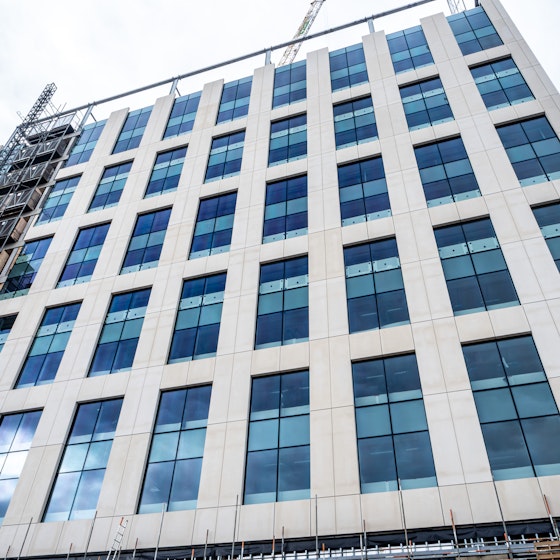
A flagship office building within Brent Cross Town and a landmark example of Modern Methods of Construction, the scheme was delivered through close collaboration between multiple stakeholders. It stands as one of Europe’s tallest hybrid structures, combining precast concrete, structural steel, composite beams, and cross‑laminated timber (CLT).
4 Arbour Street, Copper Square, Brent Cross

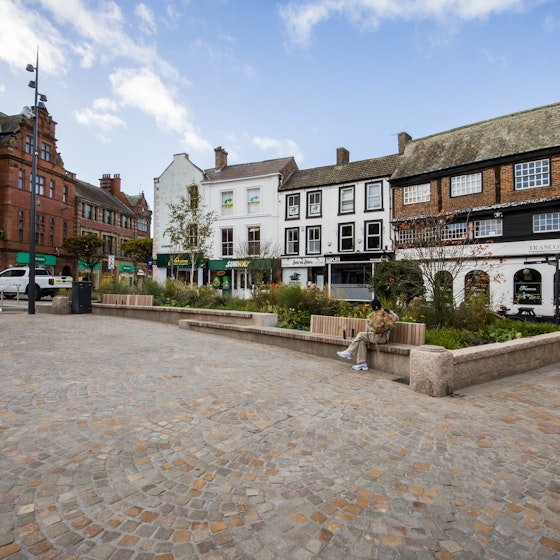
We provided civil and structural engineering services for the redevelopment of Market Square, Castle Street and Green Market in the heart of Carlisle, aiming to transform the heart of the city into a greener and more vibrant place.
Carlisle Market Square and Greenmarket

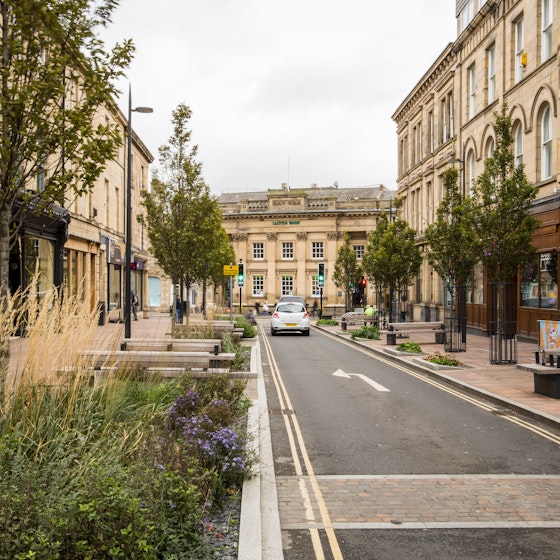
The first phase of Carlisle’s £100 million regeneration programme which sets the principles for the city-wide redevelopment works.
Devonshire Street Public Realm

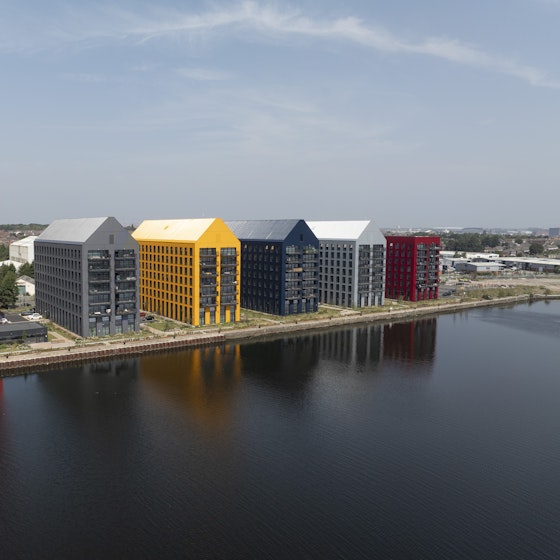
A development that is set to deliver affordable housing and promotes sustainability, while revitalising the Wirral through a dynamic waterfront community that supports long-term regeneration.
Wirral Waters Masterplan, Merseyside

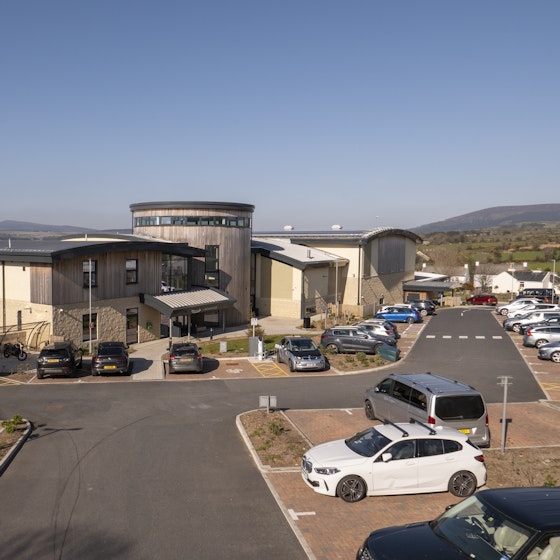
The Roundhouse is a ground-breaking leisure and community complex that aims to benefit all residents by helping them to live healthier, happier, more-connected lives on the Isle of Man.