


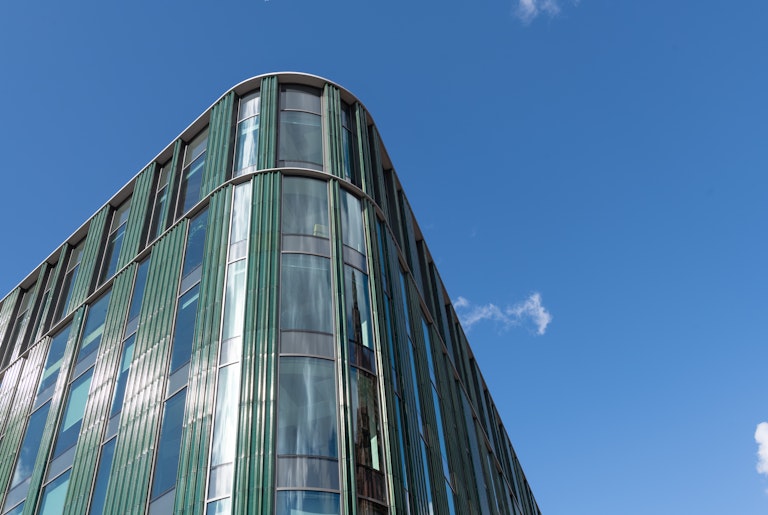
Henry Cotton Building, LJMU, Liverpool
As part of Liverpool John Moores University’s largest redevelopment project, we are providing civil and structural engineering expertise to support decarbonisation and deliver modern, flexible facilities for students and staff.
Higher Education - The North, England
- Home
- Our Experience
- Henry Cotton Building, LJMU, Liverpool
Project Overview
We are supporting the major redevelopment of the Henry Cotton Building at Liverpool John Moores University, transforming a 1980s asset into a contemporary, energy efficient learning environment.
Through our INSITE approach, we provided early-stage insight during RIBA Stages 0 to 3, helping the client and design team make informed, value driven decisions from the outset.
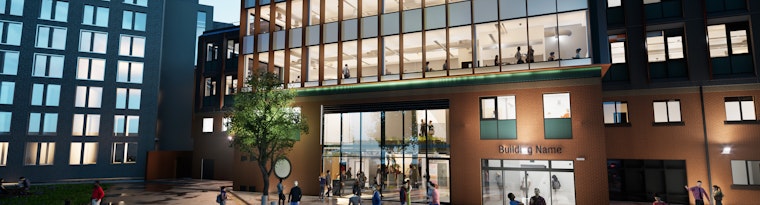
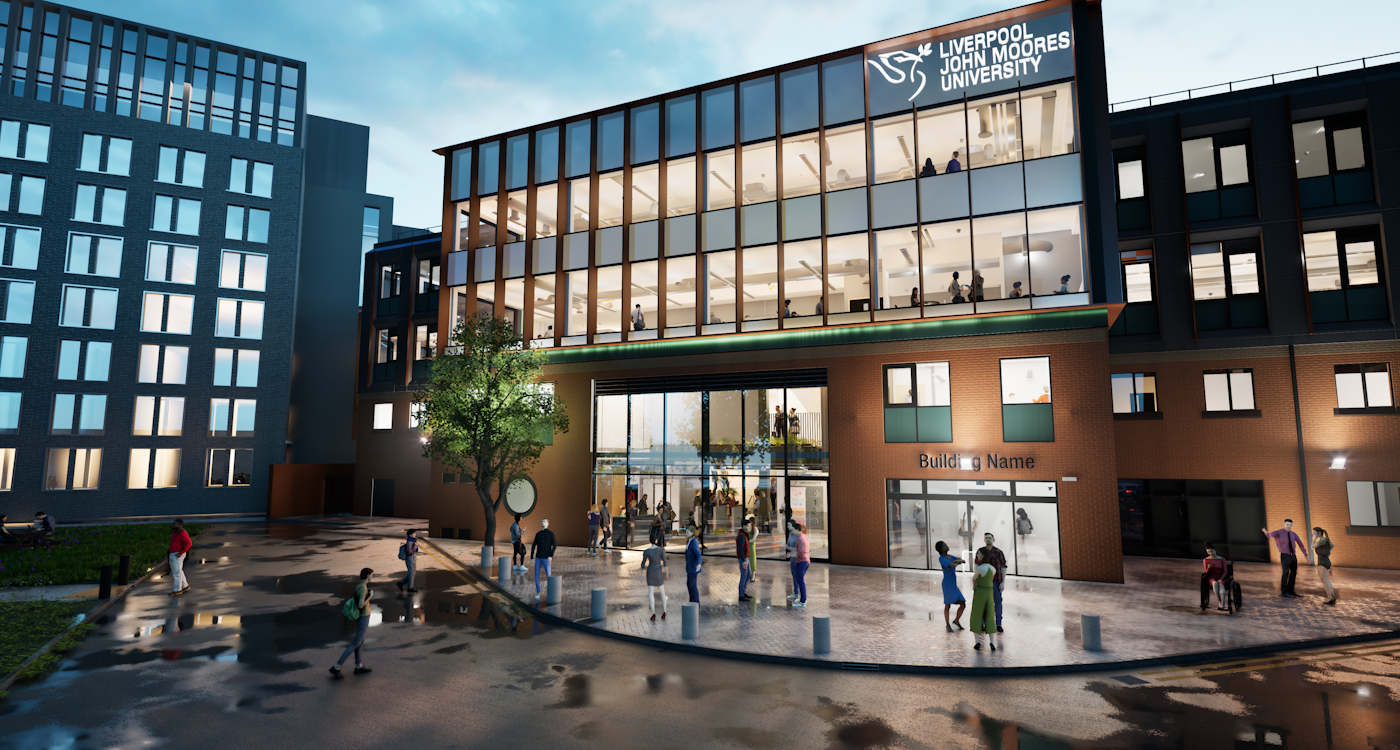
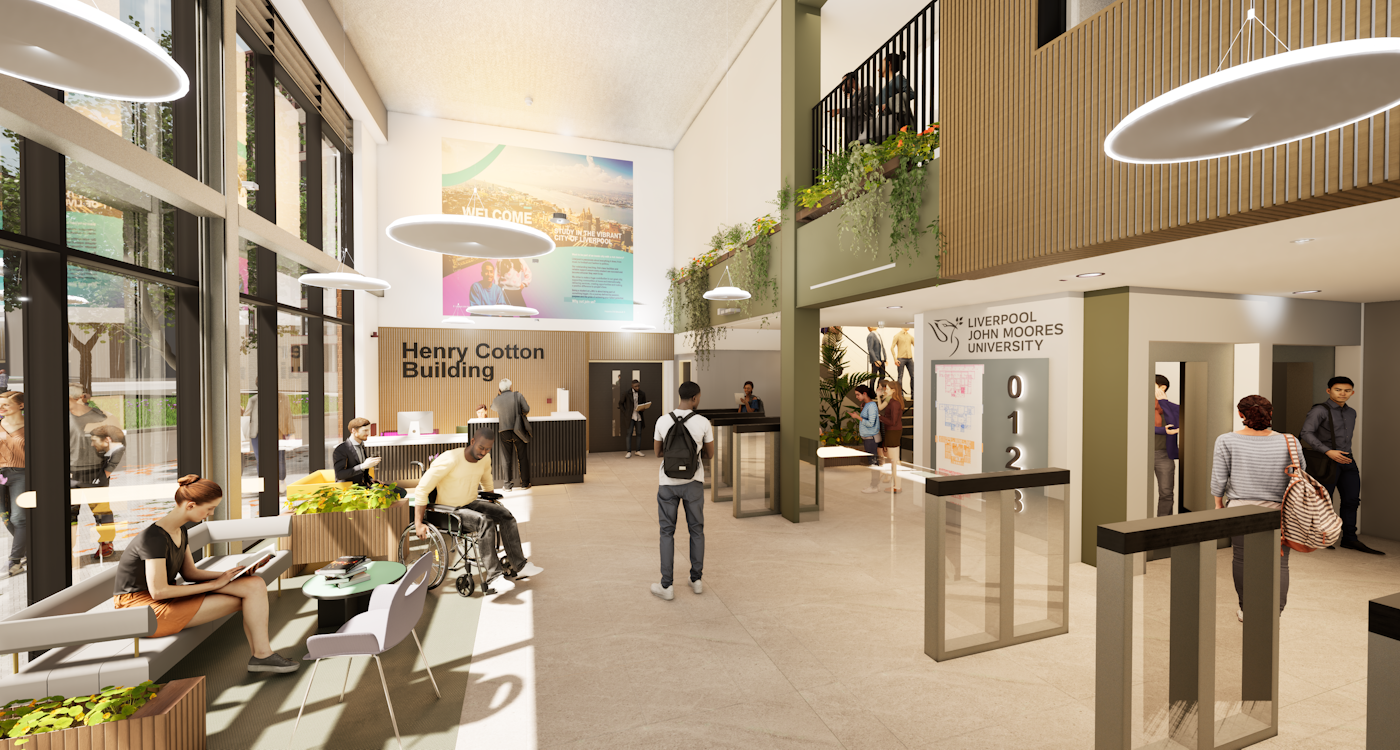
Targeted structural and site investigations (supported by Curtins’ environmental team) established accurate as-built data, informing design development and coordination with K2 and the wider team. This enabled significant internal reconfiguration, including a new double-height entrance foyer and light well, enhancing visibility and natural daylight while improving the overall user experience.
The scheme focuses on decarbonisation, improved accessibility and flexible, future ready teaching spaces, aligned with the University’s long term sustainability ambitions and integration of sustainable technologies.
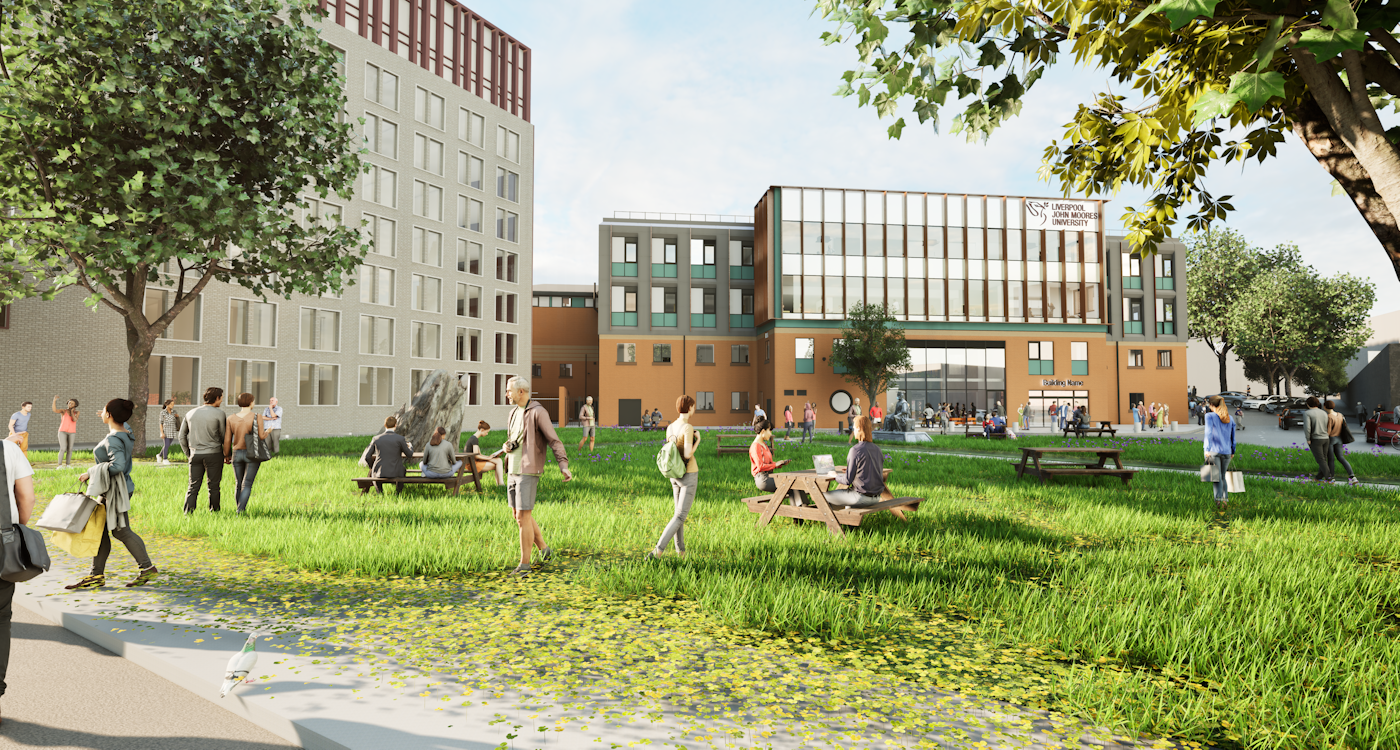
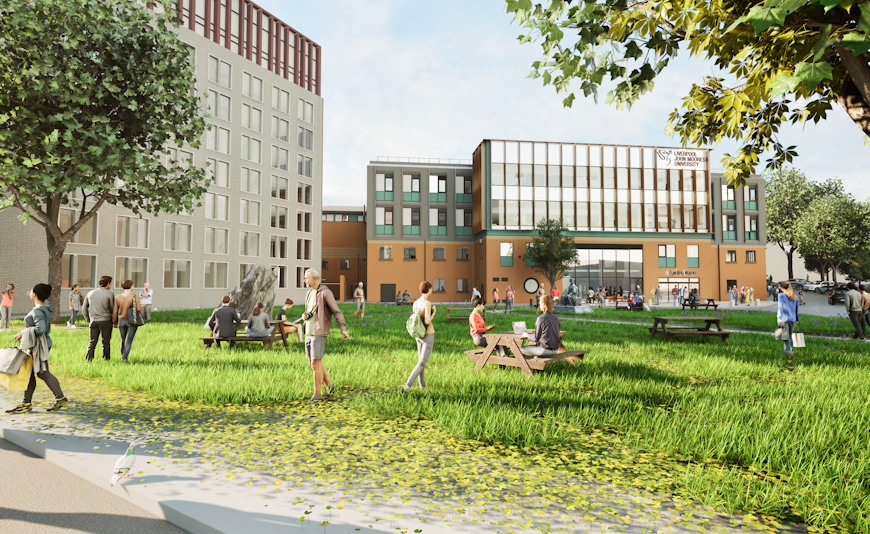
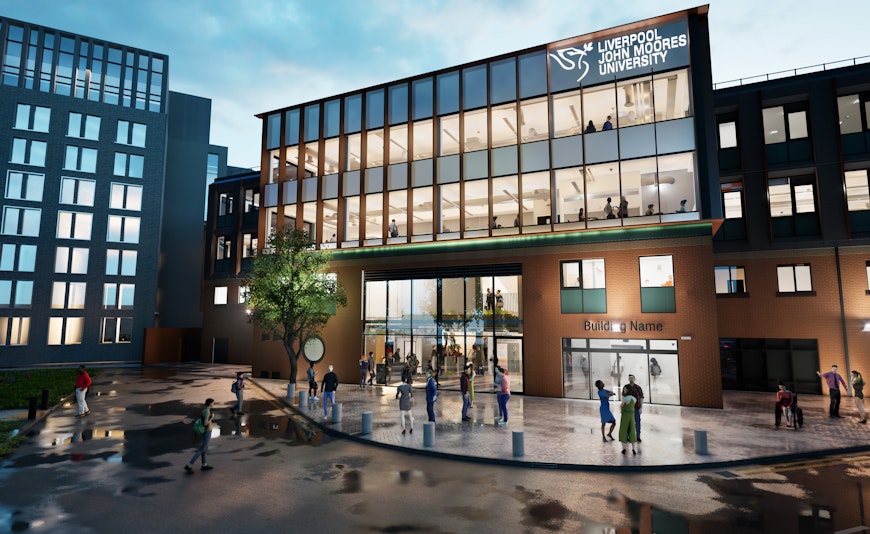
Once complete, the building will deliver high quality teaching, social and staff environments, with facilities for health, innovation, technology and science, and a Harvard-style lecture theatre. It will also create a stronger, more visible gateway to the city campus.
Project Highlights:
£12.5 million refurbishment of a key academic building
INSITE approach applied from RIBA Stages 0 to 3
Reuse of existing structure to support decarbonisation
New double height entrance foyer and light well
Flexible teaching spaces including Harvard style lecture theatre
Integration of renewable energy and low carbon systems
Improved accessibility and campus presence
Images © 2026 K2 Architects
The Challenge
The existing building presented challenges typical of its era, including limited and unreliable as built information, constraints on structural capacity and the need to significantly improve carbon performance, accessibility and flexibility. Managing these unknowns while maintaining programme certainty required careful investigation and risk management.
Our Solution
We applied our INSITE approach to deliver early and iterative insight, supported by targeted structural and site investigations. This established reliable as built data, enabling informed design development and coordination with the wider team. Our work confirmed that existing foundations could support increased loads, avoiding unnecessary strengthening and delivering cost and programme efficiencies. In parallel, we developed a coordinated temporary works and construction strategy to enable safe demolition, sequencing and structural interventions. The design introduces significant internal reconfiguration, including a new double height entrance foyer and light well, alongside flexible teaching spaces such as a Harvard style lecture theatre. Through close collaboration, we are ensuring a buildable and integrated solution that supports the project vision.
Sustainability targets and achievements
The project supports LJMU’s Climate Action Plan and net zero ambitions through a focus on reuse, decarbonisation and enhanced building performance. Measures include photovoltaic panels, air source heat pumps, improved thermal envelope performance and upgraded mechanical systems, reducing operational carbon and improving energy efficiency.
Added Value
Our early insight reduced uncertainty, de-risked key decisions and avoided unnecessary structural intervention. By confirming foundation performance and enabling efficient construction sequencing, we supported cost savings, programme certainty and the successful reuse of the existing asset.
Complete Services
Our Approach To...

Sustainability
Learn MoreSimilar Projects


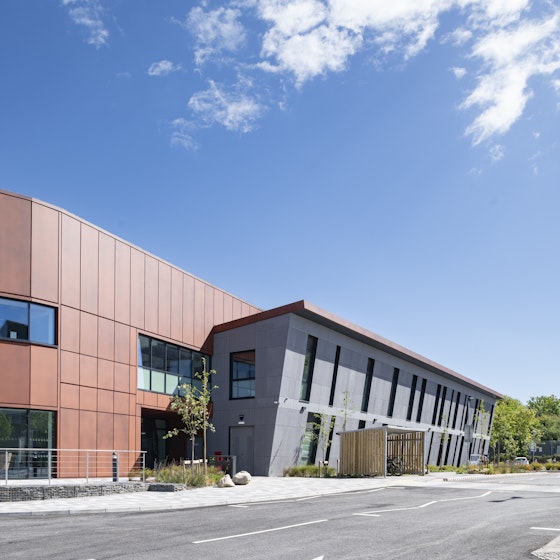
A landmark two-storey facility located adjacent to active dock infrastructure and a marine environment, as part of Cumbria's new Barrow Campus.
University of Cumbria, Barrow

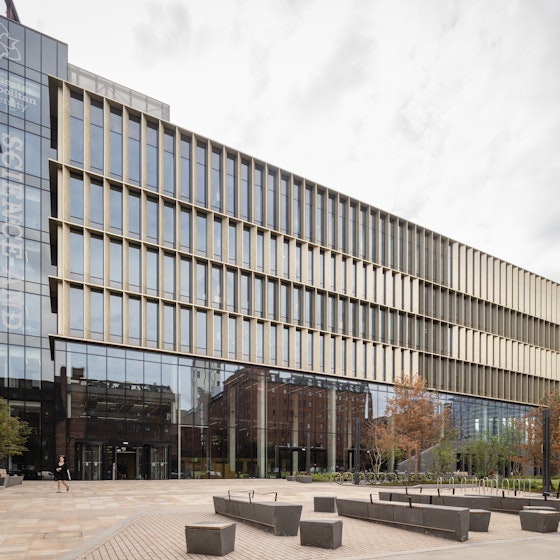
A highly sustainable new building at Manchester Metropolitan University serves as a dynamic living lab, showcasing advances in science and engineering. It bridges research, education, and the wider city region, fostering collaboration and sharing innovative solutions with the community.
Science and Engineering Building, MMU, Manchester

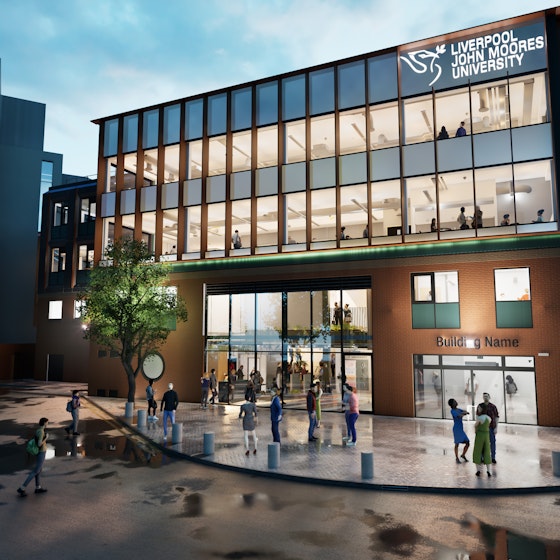
As part of Liverpool John Moores University’s largest redevelopment project, we are providing civil and structural engineering expertise to support decarbonisation and deliver modern, flexible facilities for students and staff.
Henry Cotton Building, LJMU, Liverpool

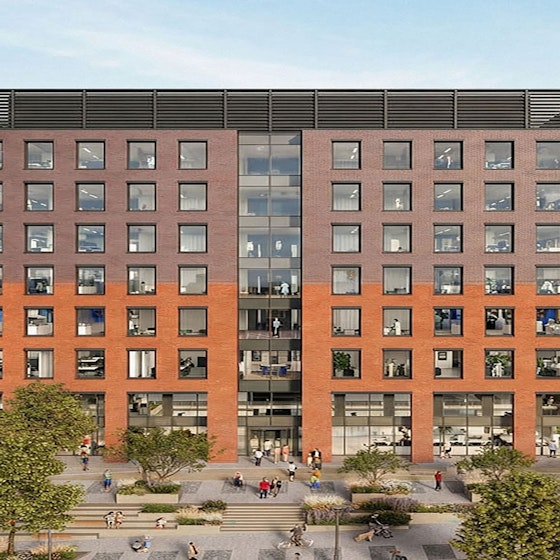
Hemisphere represents a defining moment in the regeneration of Liverpool’s Knowledge Quarter, bringing forward a bold and sustainable new landmark shaped by the city’s architectural legacy.
Hemisphere, Liverpool

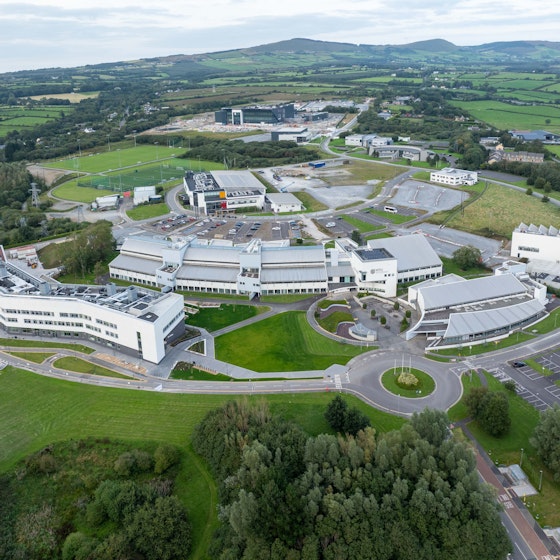
The STEM building at the Institute of Technology Tralee is part of the HEB1 Bundle, a group of six projects across Ireland delivered through a Public-Private Partnership programme.
Munster Technological University, Tralee, Kerry

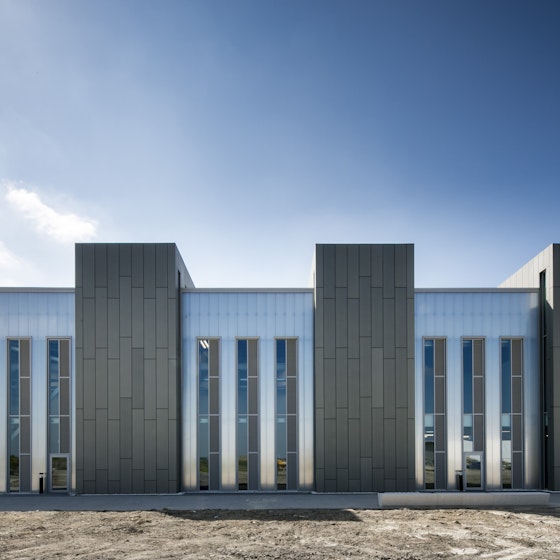
A state-of-the-art research centre for the University of Sheffield.