


Pontllanfraith CVL, Wales
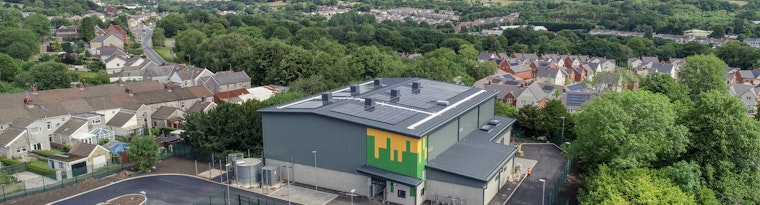
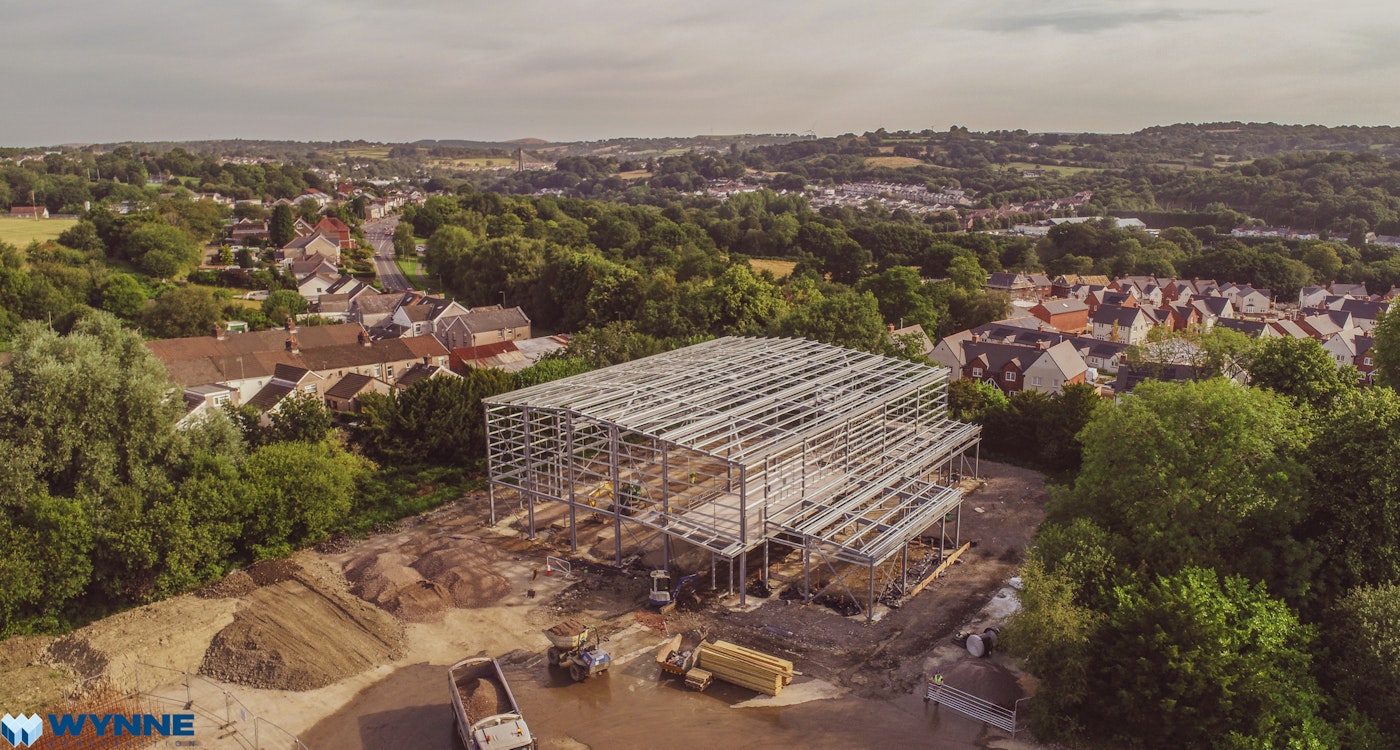
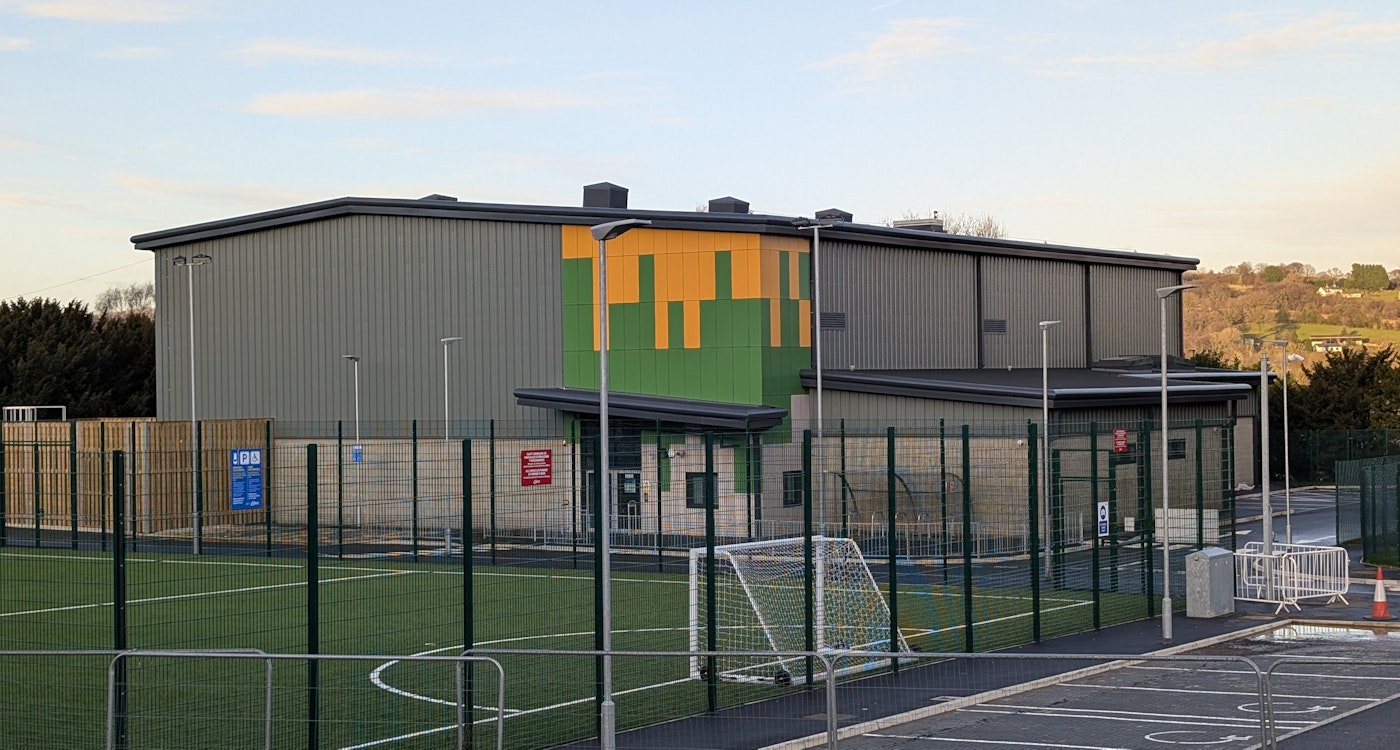
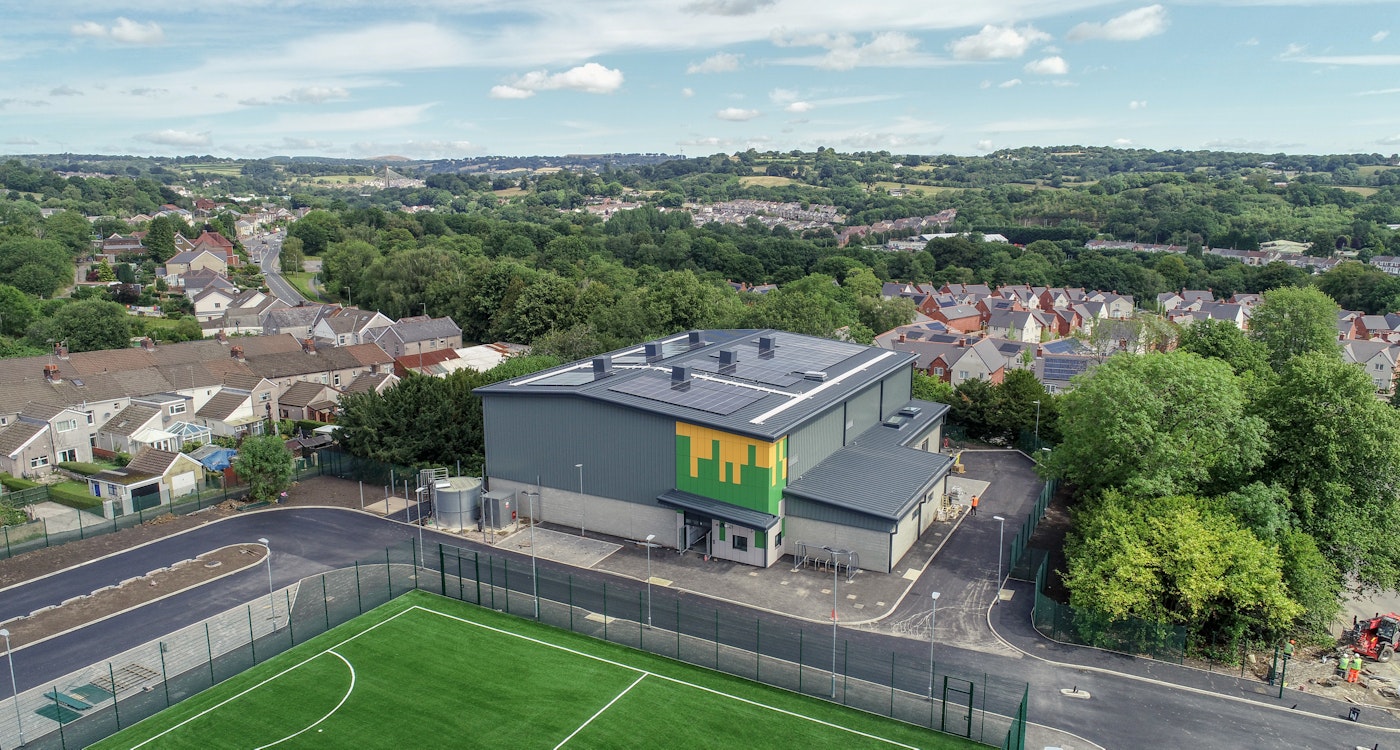
The refurbishment of Pontllanfraith Comprehensive School’s Grammar Block created a dedicated facility for vulnerable learners while boldly reducing embodied carbon through the reuse of 35 tonnes of structural steel in the new sports hall.
Schools & Further Education - Wales
- Home
- Our Experience
- Pontllanfraith CVL, Wales
Project Overview
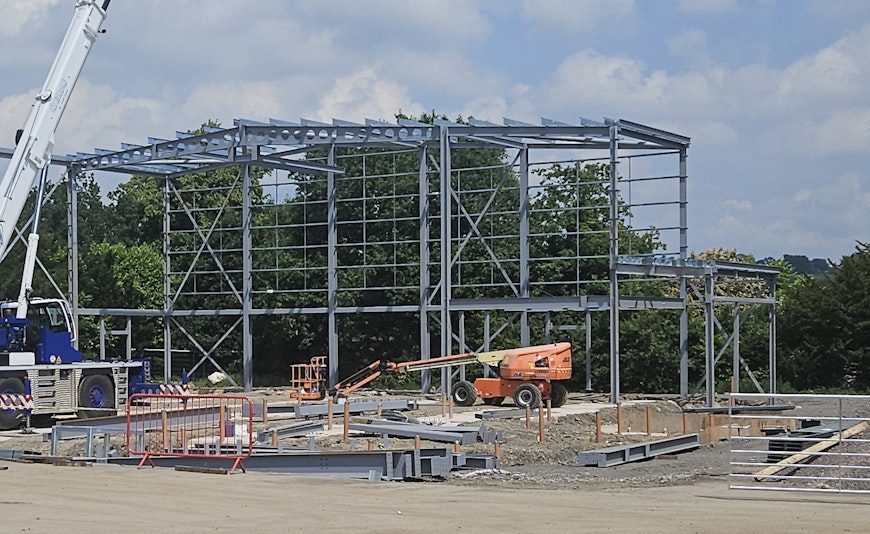
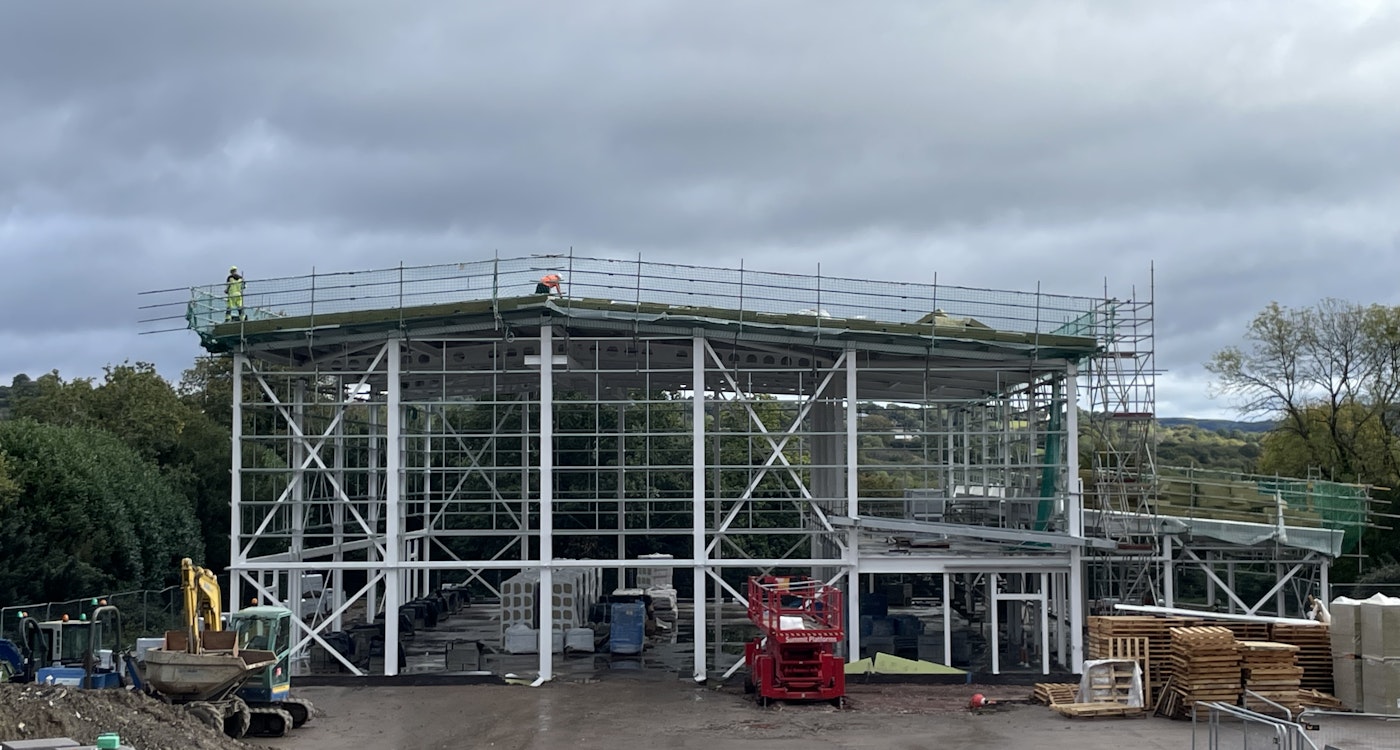
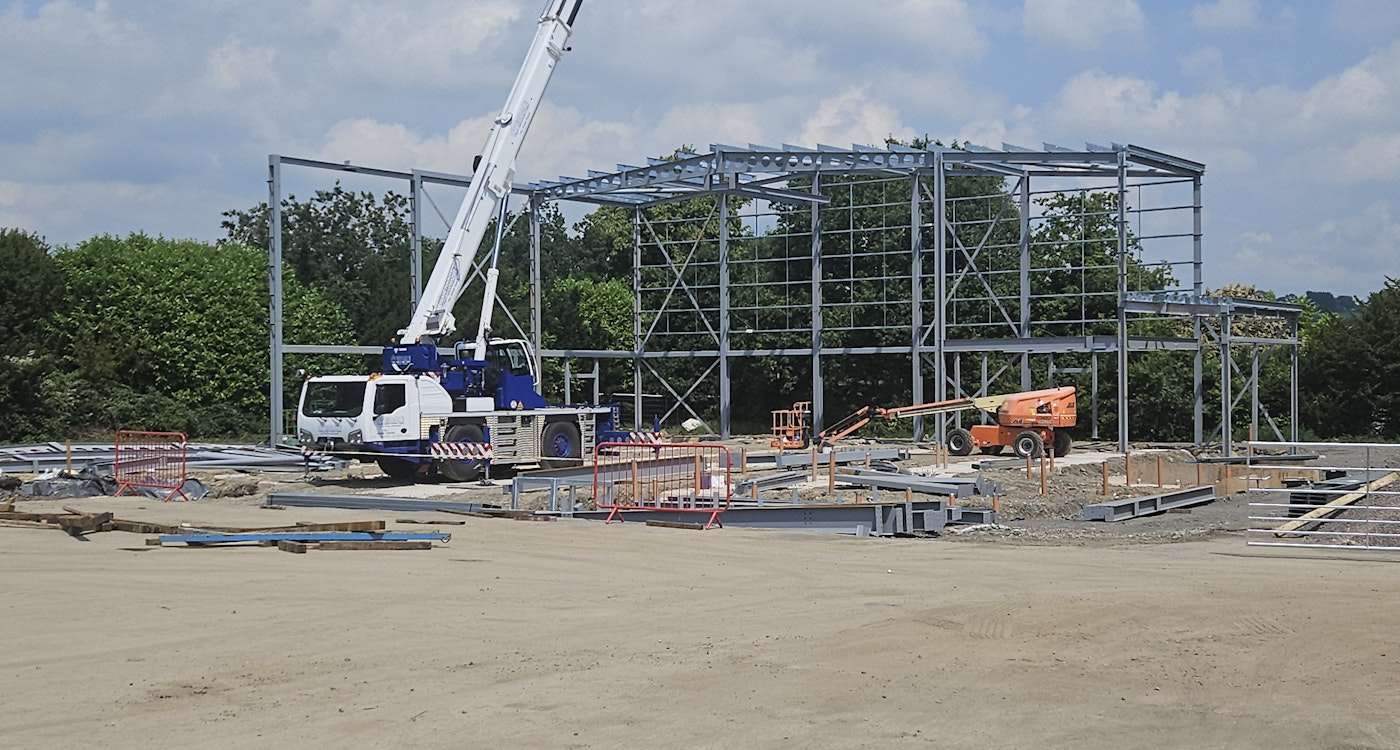
As part of the Pontllanfraith project, which delivered a new sports hall within a wider refurbishment scheme for vulnerable learners, reducing embodied carbon was a key priority from the outset. While electric arc furnace (EAF) steel represents standard lower‑carbon practice in the UK, the design team sought to go further by exploring opportunities to reuse structural steel. This approach led to the specification of reused steel for several primary columns and beams forming the sports hall frame.
Curtins worked closely with the appointed contractor and reused steel stockholders to understand procurement routes and how existing steel sections, sourced from demolition projects across the UK, could be incorporated into the scheme.
Early engagement proved essential, allowing the design team to align structural requirements with available stock and ensuring reused elements could be integrated without compromising structural performance.
In total, 35 tonnes of reused steel were incorporated into the project, delivering the following embodied carbon savings compared with typical UK steel procurement routes:
Reuse vs EAF: 10.5 tCO₂e saved
Reuse vs BOS: 44.8 tCO₂e saved
In addition to structural interventions, the scheme includes swales underdrained with a rain‑garden planting mix, contributing to the site’s Sustainable Drainage System (SuDS) strategy.
By moving beyond standard EAF steel and incorporating reused structural elements, the project demonstrates how practical design and procurement decisions can deliver meaningful reductions in embodied carbon within real-world constraints. While specifying reused steel can offer significant carbon savings, it is important to recognise the need for early engagement with suppliers and the finite nature of available stock, which understandably limits the volume and proportion of reused steel that can be incorporated within a scheme.
Images ©️ Wynne Construction
The Challenge
We were tasked with delivering a project that met high sustainability ambitions while repurposing an existing building and integrating new facilities on site.
Our Solution
We adopted a sustainability‑led approach from the outset, incorporating circular‑economy principles, recycled materials, and nature‑based SuDS features to minimise environmental impact and enhance long‑term performance.
Project Highlights
ALN Facility
Part refurbishment and new build, embracing circular economy principles
Re-purposed steel integrated into a new build
Our Approach To...

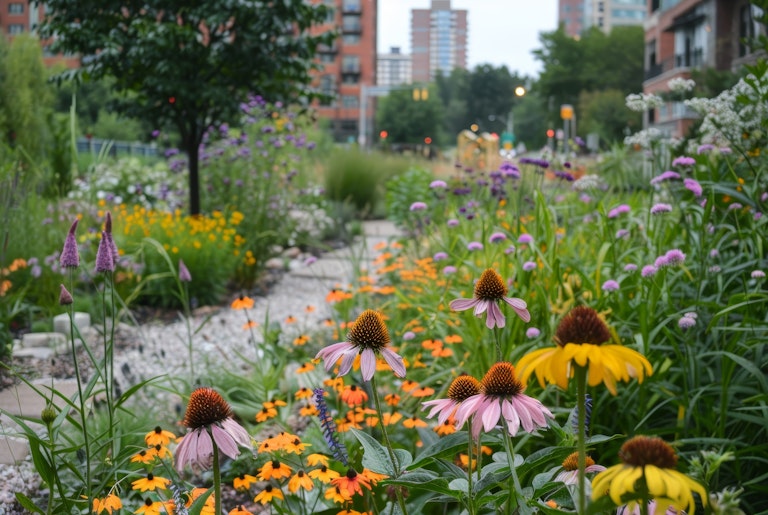
SuDS
Learn MoreSimilar Projects


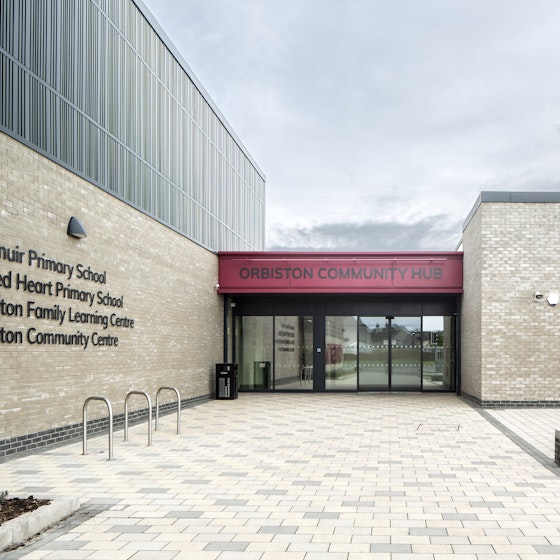
Orbiston Community Hub in Scotland is a modern, integrated facility that brings together primary education, early years provision, and community services in one inclusive, flexible environment.
Orbiston Community Hub, Scotland

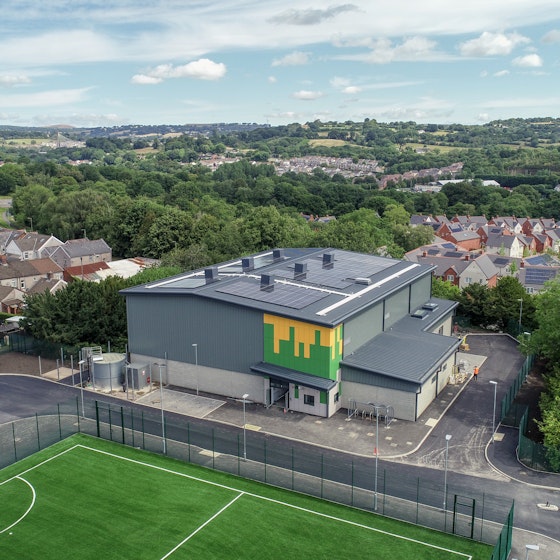
The refurbishment of Pontllanfraith Comprehensive School’s Grammar Block created a dedicated facility for vulnerable learners while boldly reducing embodied carbon through the reuse of 35 tonnes of structural steel in the new sports hall.
Pontllanfraith CVL, Wales

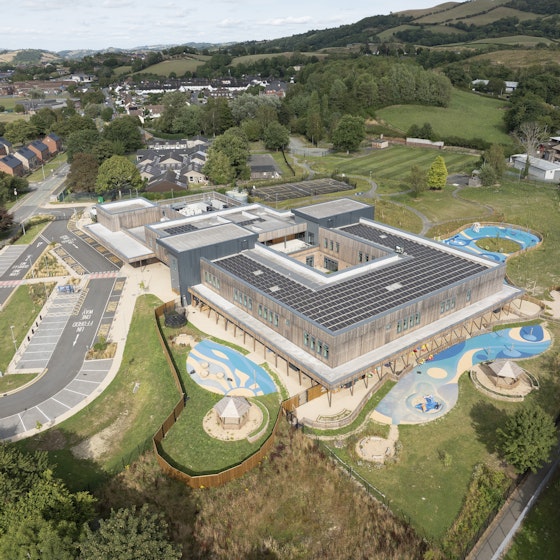
This £22m replacement school for Ysgol Cedewain includes purpose built state-of-the-art facilities including a hydrotherapy pool, sensory and physiotherapy rooms.
Ysgol Robert Owen, Powys

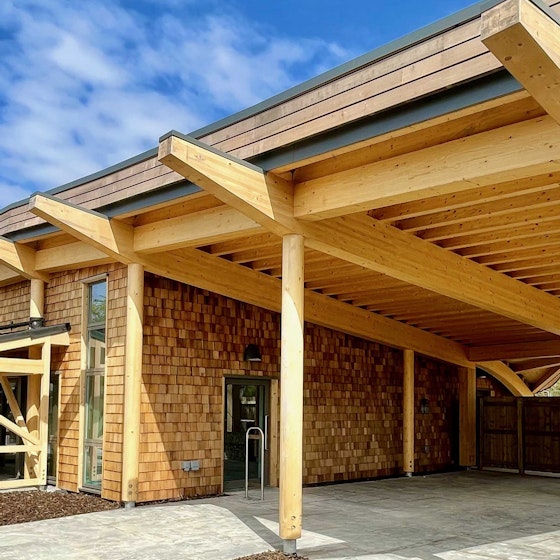
A new-build Visitor Centre with internal and external spaces to educate local school children and day trip visitors.
Earth Trust Lab, Oxfordshire

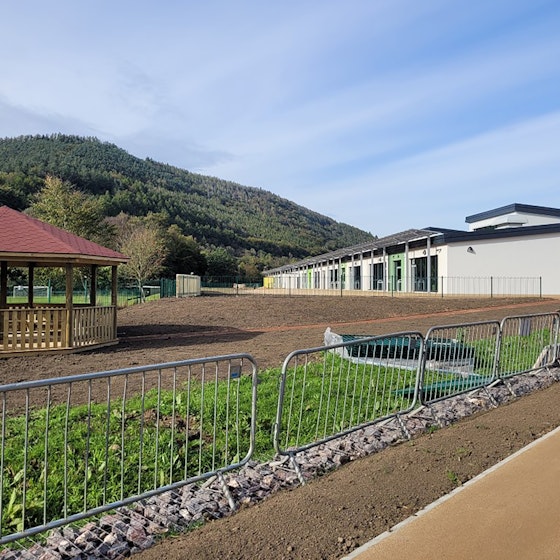
We constructed a new primary school facility at the site of the former Cwmcarn High School, Cwmcarn and introduced an effective low-maintenance SuDs solution.
Cwm Gwyddon Primary School

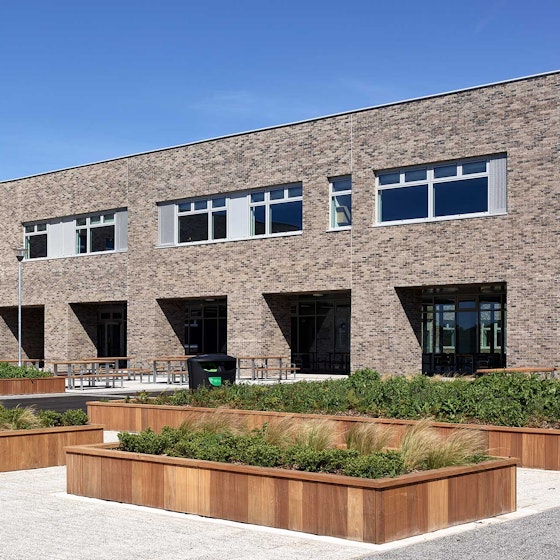
This mulit-phased project involed the construction of a two storey building on a live school site, within a residential area