Developing Integrated Ecosystems: Growing Innovation Through Collaboration


 Views
Views- Home
- News & Views
- Developing Integrated Ecosystems: Growing Innovation Through Collaboration
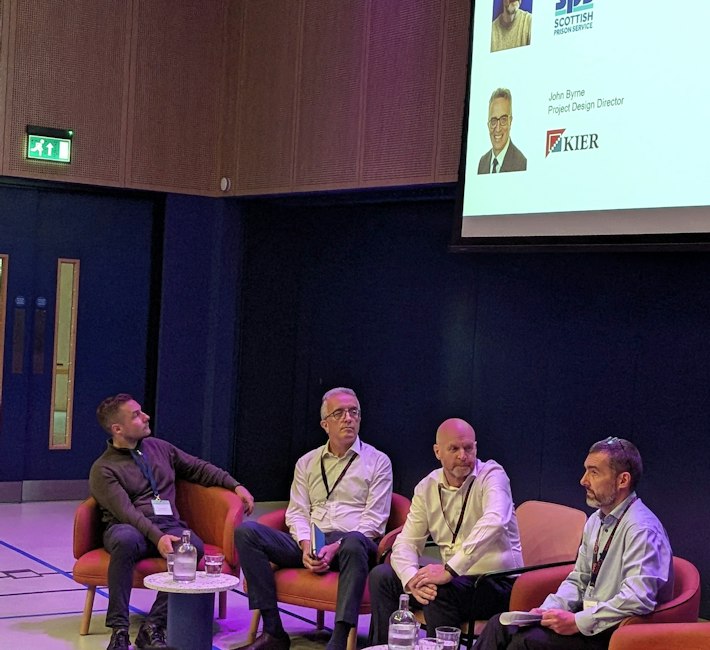
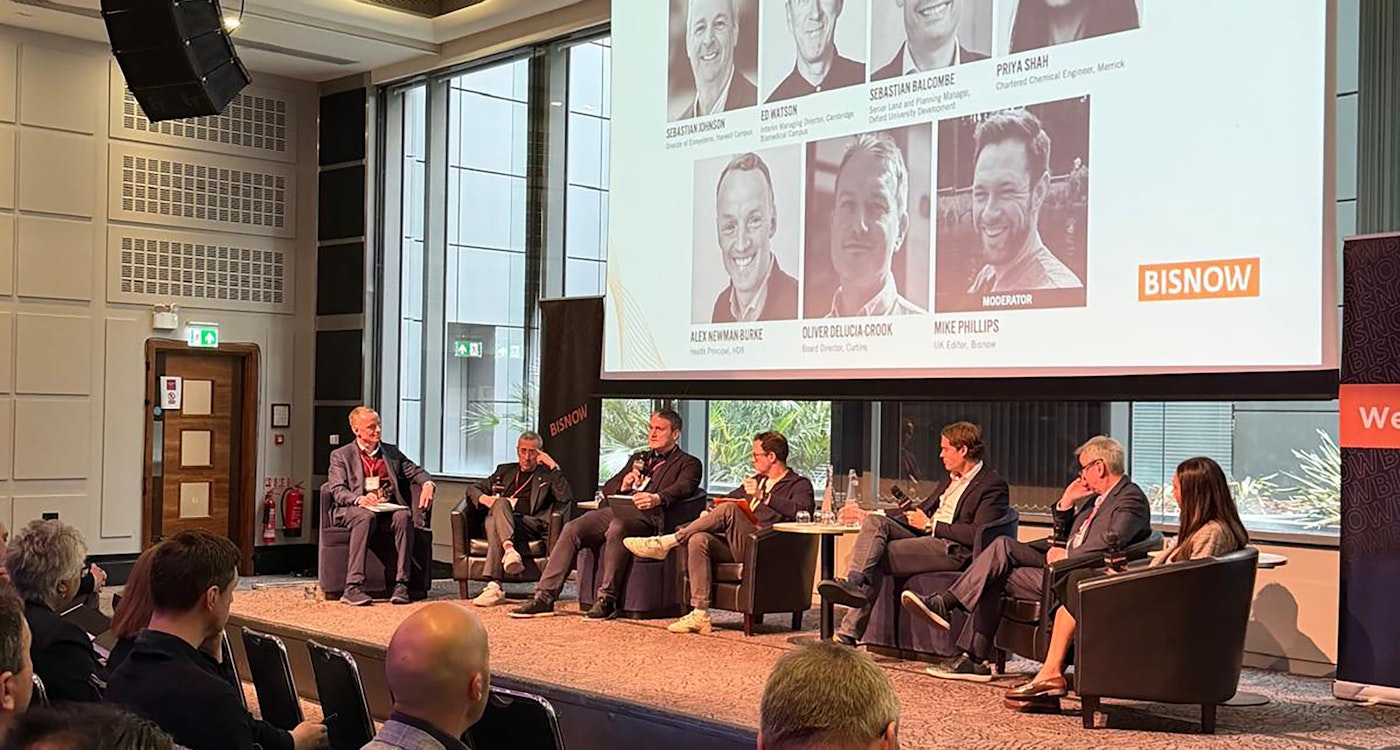
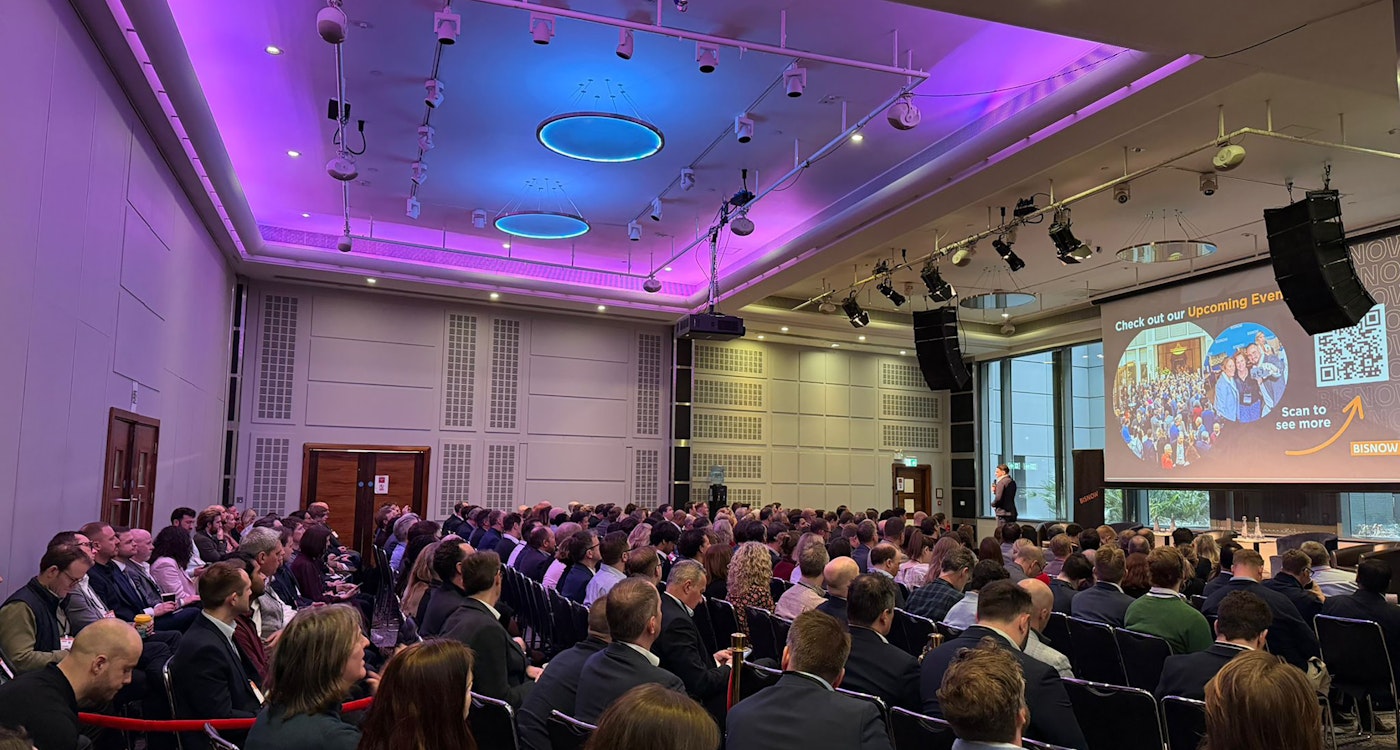
I attended the UK Life Sciences & Healthcare Summit 2026 yesterday, and had the opportunity to contribute as a member of one of the two main panel sessions, which had a topic of “Developing Integrated Ecosystems: Growing Innovation Through Collaboration”
Preparing for and being on this panel was an opportunity for me to reflect on this important sector for Curtins, and what truly makes these districts successful.
The Life Sciences and wider Science & Research represent sectors where the UK is world class, and with a stated objective in the Government's 10 Year Life Sciences Sector of becoming Europe’s leading life sciences economy by 2030 and third globally by 2035, it is exciting for the construction industry, and also for the country as a whole in terms of a catalyst for inclusive growth.
From an engineering and placemaking perspective, that means creating environments people genuinely want to work, collaborate, and innovate in. Flexible and sustainable buildings, an inclusive public realm, resilient infrastructure, and spaces that can adapt as organisations grow are the catalysts for a functioning ecosystem. As I mentioned on the panel, the strength and quality of place is often what attracts talent, investment, and long‑term commercial success.
One of the biggest challenges we discussed is alignment. NHS trusts, universities, and developers can operate on different timescales and measure value differently. Yet when governance structures bring these groups together early, the results can be transformative, even in tough commercial conditions.
What struck me most in preparing for the session is how central the built environment is to unlocking shared outcomes and to achieving the 10 Year Life Sciences strategy. Whether it’s accelerating research, improving health innovation, supporting inclusive economic growth across the UK both within and outside of the Golden Triangle, engineering sits at the intersection of these priorities, translating mission‑led needs into sustainable, deliverable solutions.
Thriving life science developments are built through collaboration, clarity of purpose, and places designed to help great talent thrive, and we are proud to be working on projects across the UK and Ireland that are contributing to this important sector.
One of my other takeaways was the importance of flexibility - at a building scale - for example advising on whether a specific building can have different mixes of office, lab, and communal spaces to suit different potential tenants or end users - or at a masterplan scale - changing the mix and phasing of buildings to suit the market and overall commercial viability and deliverability.



 Events