 Events
- Home
- News & Views
- Delivering HMP Glasgow: Event Highlights and Key Takeaways
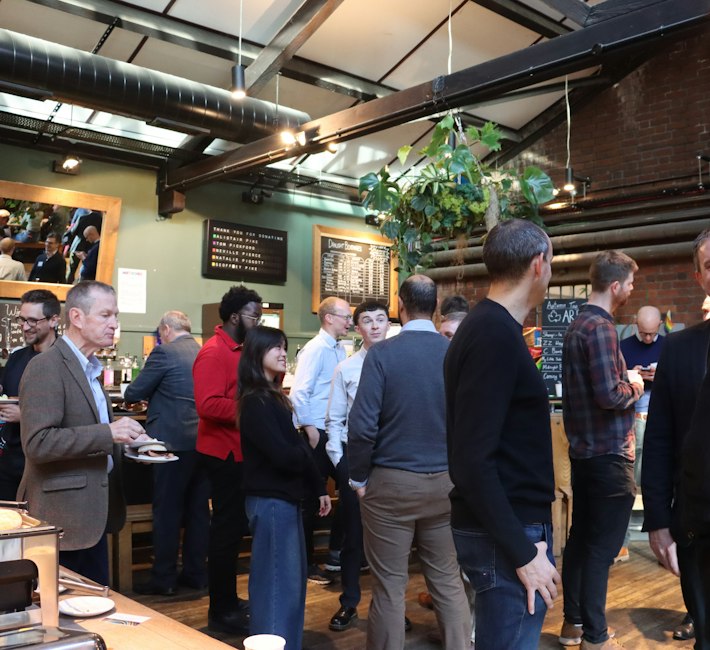
Construction industry professionals came together in Glasgow in September for Curtins’ breakfast networking event exploring the nationally significant HMP Glasgow project.
Held at the very trendy Social Hub in central Glasgow, Curtins were joined by speakers from Kier Construction, Scottish Futures Trust and Scottish Prison Service to delve into the delivery of the £1bn landmark development, which will become the official replacement for the 144-year-old HMP Barlinnie.
Currently under construction on a 54-acre site in Provanmill, north-east Glasgow, the facility is being delivered by Kier Construction on behalf of the Scottish Prison Service (SPS), with Curtins acting as civil and structural engineers.
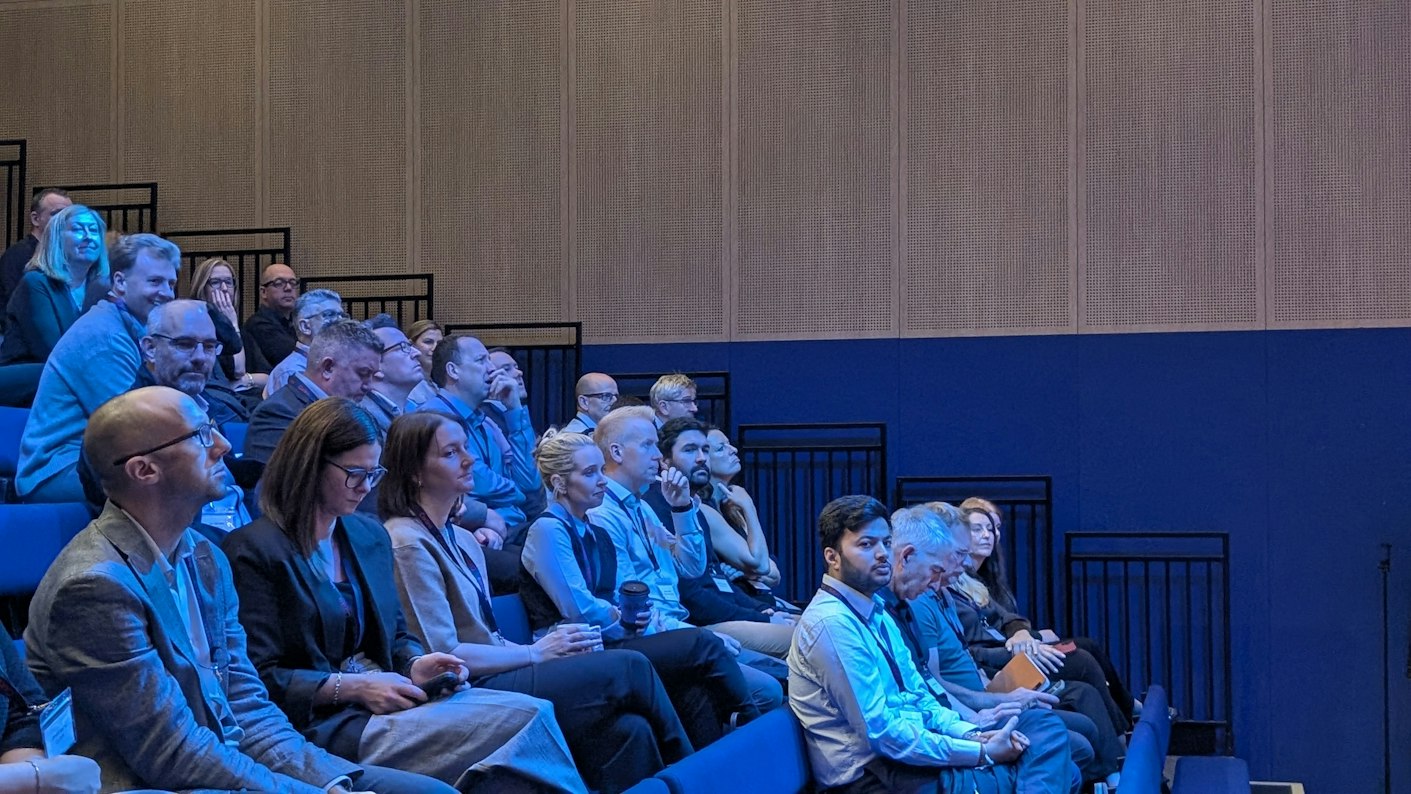
More than 100 attendees gained valuable insight into the delivery of HMP Glasgow, hearing directly from key project partners about the challenges, opportunities and innovations shaping the development.


Here’s a round-up of the key learnings:
Gordon McKean of the Scottish Prison Service opened the project story by setting out the ambition behind HMP Glasgow: not simply to create a new prison, but to deliver lasting social value for the surrounding community. A benefits realisation plan has provided a clear framework for testing decisions throughout the programme - an approach designed to keep the project’s wider outcomes in view alongside the demands of a development of this scale. Construction began in February 2022 and, at the time of the event, had reached week 97 of a planned 212-week programme.
Curtins’ Chris Gowans explored the engineering strategy for the five accommodation blocks and the challenges presented by the site’s industrial history and dramatic level changes. Existing retaining walls more than 10 metres high had to be removed, while the earthworks required cuts of up to 15 metres and fills of up to 11 metres. By working closely with the landscape architect and design team to balance material across the site, the team reduced the anticipated number of off-site lorry movements from around 5,000 to approximately 500 - an important efficiency for the programme and the local area.

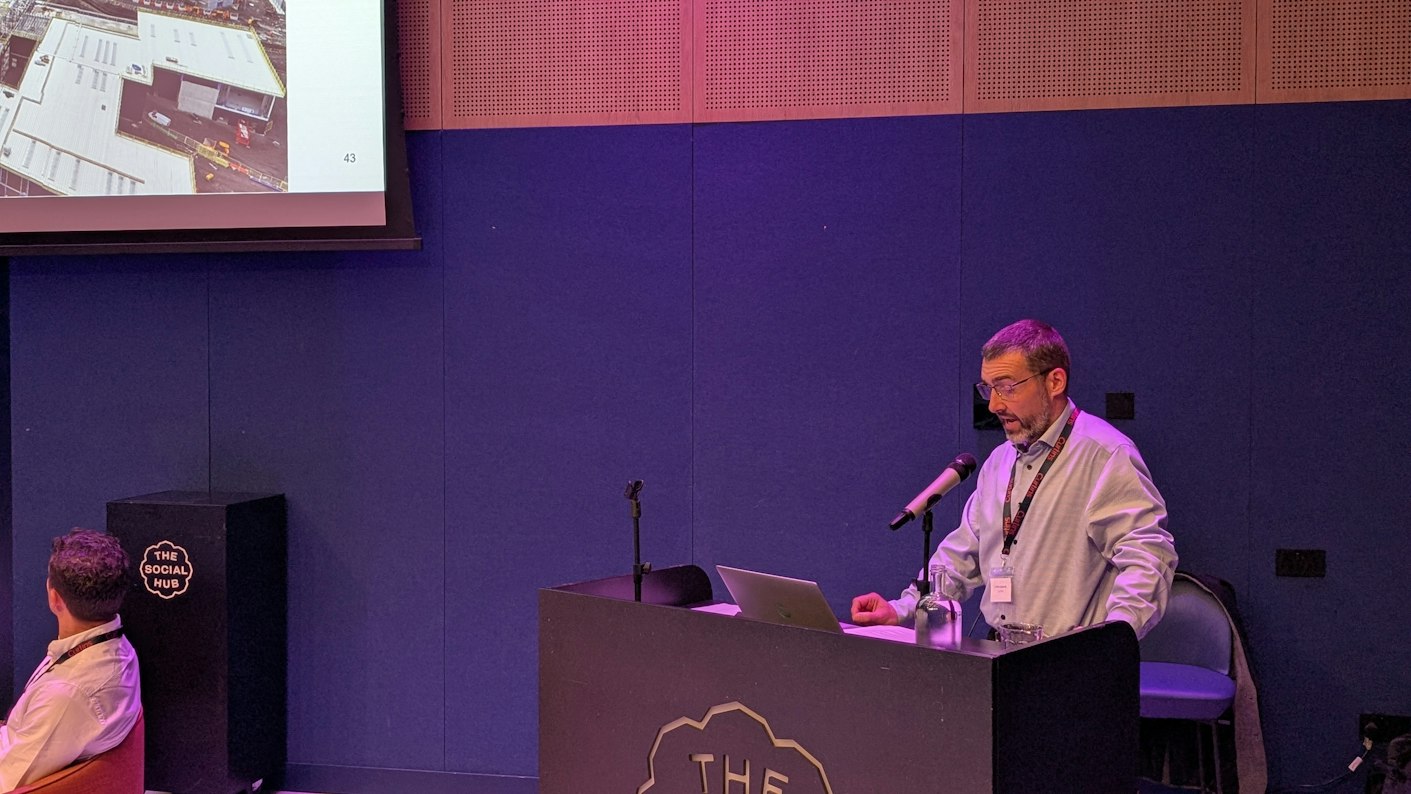
Ryan Cossar of Scottish Futures Trust outlined how the Net Zero Public Sector Buildings Standard is being applied to a project for which there is little direct precedent for a scheme of this scale. He described the standard as a flexible, step-by-step framework that first asks how a building can be optimised before considering how its remaining energy demand can be decarbonised. For HMP Glasgow, this has meant translating Scotland’s 2045 net zero ambition into practical project decisions at an exceptional scale.
Returning to the accommodation design, Chris Gowans highlighted the role of early collaboration, detailed briefings and mechanical and electrical coordination in creating a repeatable solution. The five house blocks are essentially based on the same model, with only limited room-specific variations. Precast elements, secure perimeter walls and riser modules are being manufactured off site wherever possible, improving consistency, buildability and efficiency; the accommodation blocks can be assembled on a rapid 15-week cycle.
John Byrne of Kier Construction gave the contractor’s perspective on managing the site constraints and converting the design into an efficient construction sequence. The site’s industrial legacy required careful remediation and a detailed water-management system to treat run-off and potential contaminants. Across the works, around 300,000 cubic metres of soil has been moved, supported by extensive use of digital technology.

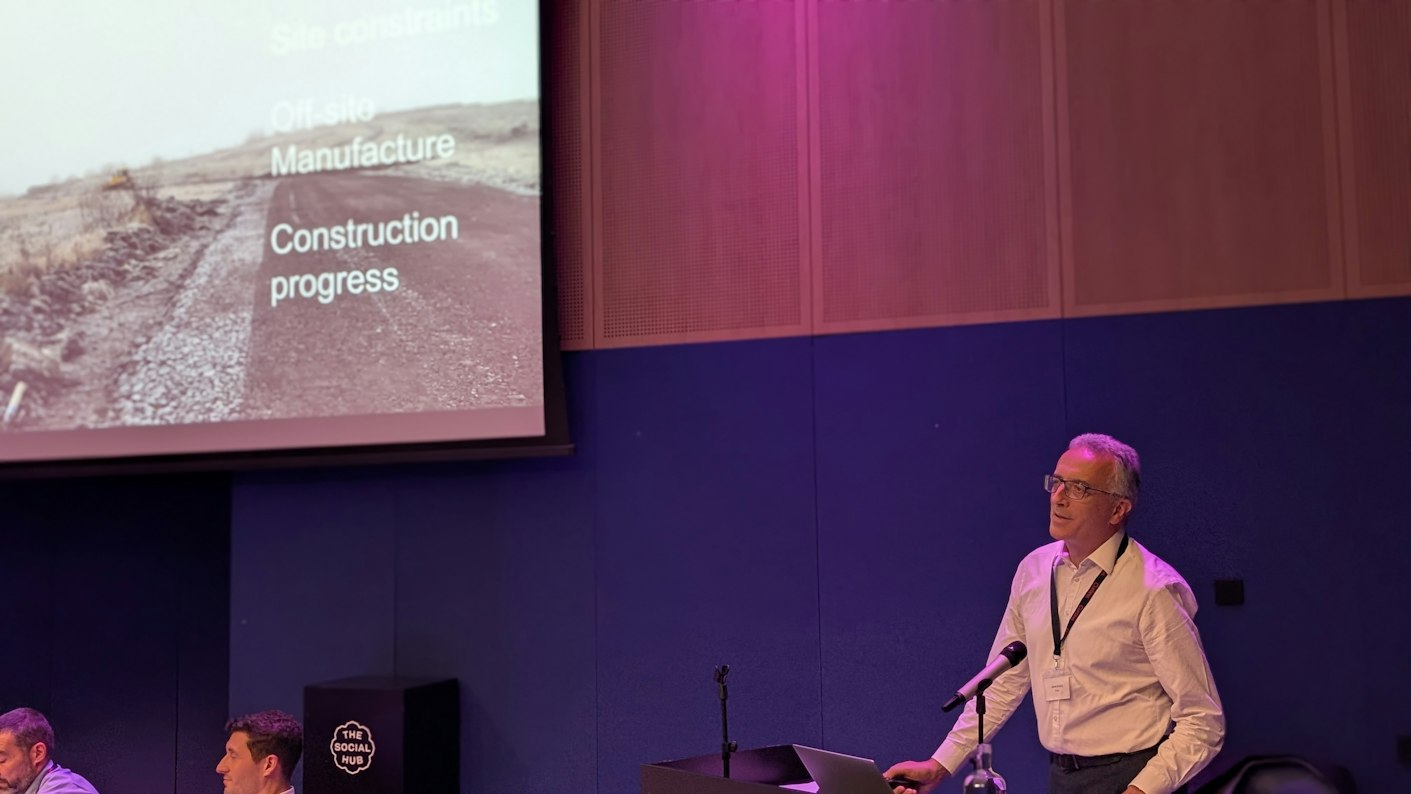
Standardisation and off-site manufacture are central to progress: components are assembled in controlled conditions and delivered to site to tight tolerances, while two house-block structures are being constructed simultaneously. The current programme anticipates that all structures will be erected by the end of 2026, followed by completion of the watertight envelope and fit-out during 2027, then testing and commissioning through 2028 ahead of planned occupation at the end of that year.
Closing the presentations, Gordon McKean reflected on the speed at which milestones have been reached and the strength of the integrated project team. He connected the project’s collaborative approach with the principles set out in the Latham and Egan reports of the 1990’s - leadership, client focus, integrated processes, commitment to people and a relentless focus on quality. For him, HMP Glasgow is a powerful example of those long-standing ambitions being put into practice, visible in achievements such as the quality of the precast construction and off-site-produced riser modules.
Gordon McKean, Deputy Project Executive (Technical) at the Scottish Prison Service said, “We’re set to open for occupancy in 2028, and this is an incredible achievement for a project of such complexity and scale. HMP Glasgow will replace the aging HMP Barlinnie with a modern and fit-for-purpose facility suitable for 1350 occupants, whilst positively serving the local community in which it sits.”

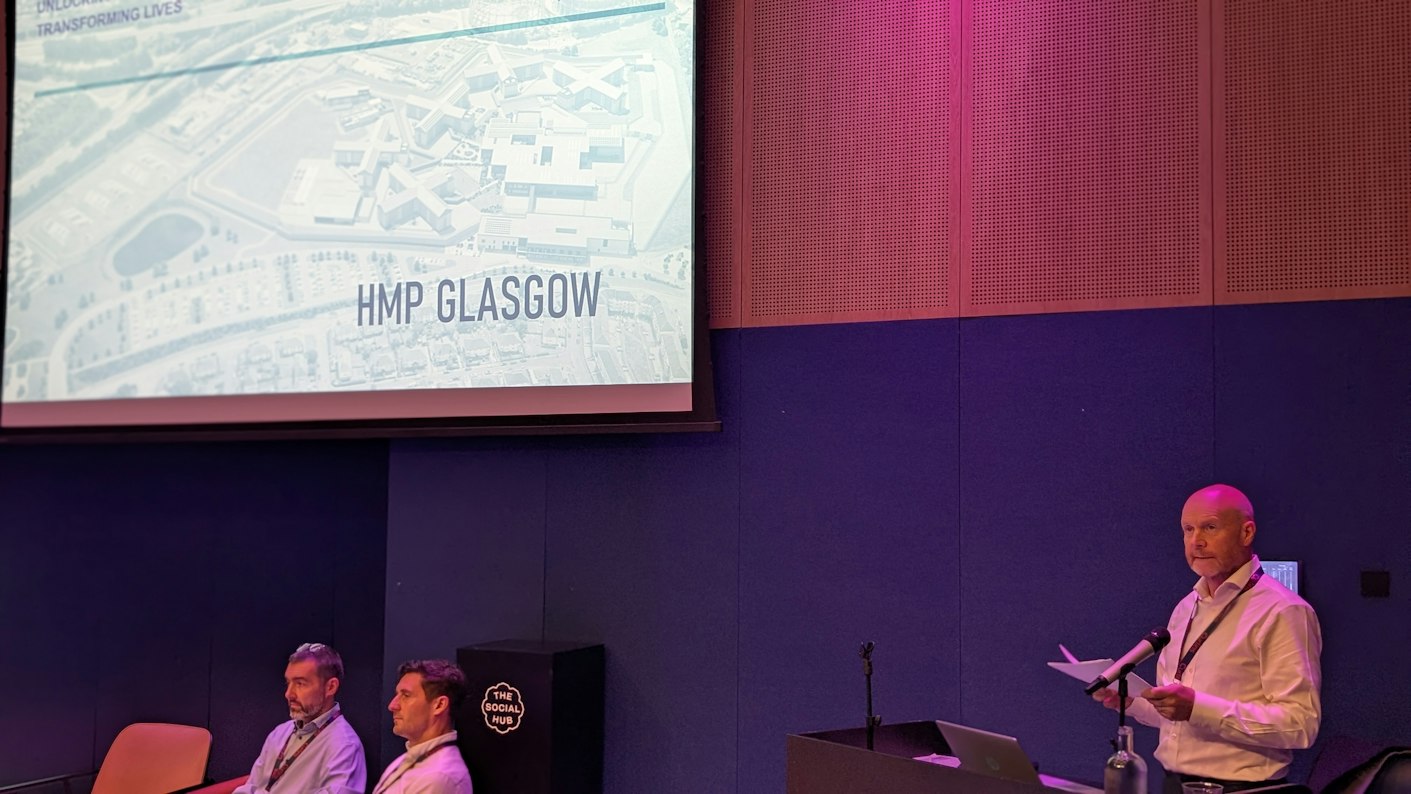
John Byrne, Project Design Director for Kier Construction adds, “One of the key successes for the project has been the ambition for a truly integrated and coordinated design team who are focused on the collaborative delivery of HMP Glasgow, whilst having the needs and aspirations of the client and wider stakeholders understood and delivered through pre-construction and to completion.”
Beyond discussing one of Scotland's most important infrastructure projects, the event also provided an opportunity to celebrate a decade of Curtins in Glasgow, and a chance for connection between industry peers in the region.
As part of the event, Curtins also invited their charity partner for 2026 along to raise awareness of MND Scotland. It is estimated that there are around 480 people in Scotland currently living with MND, and approximately 200 people are diagnosed each year. The event offered the opportunity for guests to learn more about the charity and contribute to fundraising as part of Curtins’ commitment to social impact in the community.
Thank you to everyone who joined us on the day. Catch the key takeaways on the video below.
To discuss your future projects or our services, please contact Gordon McPherson at gordon.mcpherson@curtins.com.
 News
News