 Views
Views- Home
- News & Views
- Discover How This Calamites Fossil Links Together Welsh History
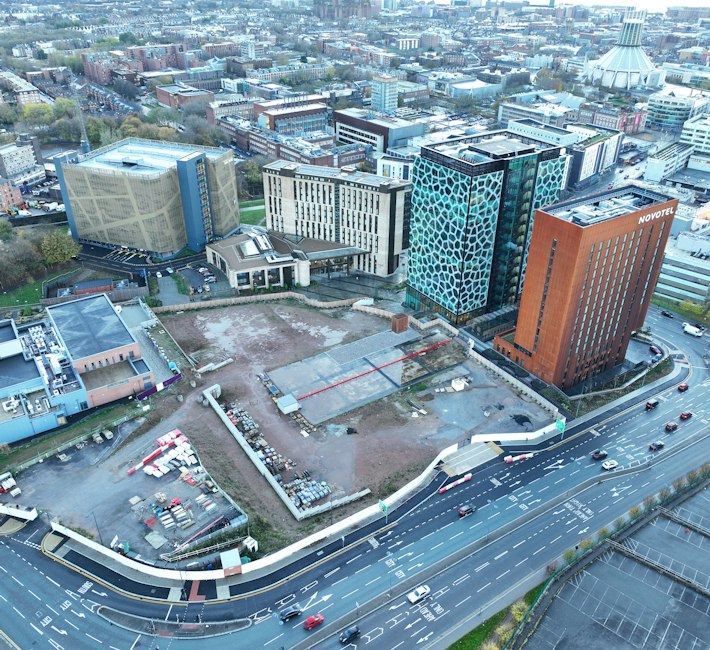
In the heart of Cardiff, where history whispers among the bustling streets and modern edifices, a fossil from a long past was uncovered, intertwining the ancient earth with the industrial heritage of Wales. The discovery was made by Curtins’ Environmental Cardiff team, amidst the remnants of what used to be the Splott Market. The site was undergoing a significant transformation, poised to become the future home of Willows High School, bridging Cardiff's rich past with its promising future.
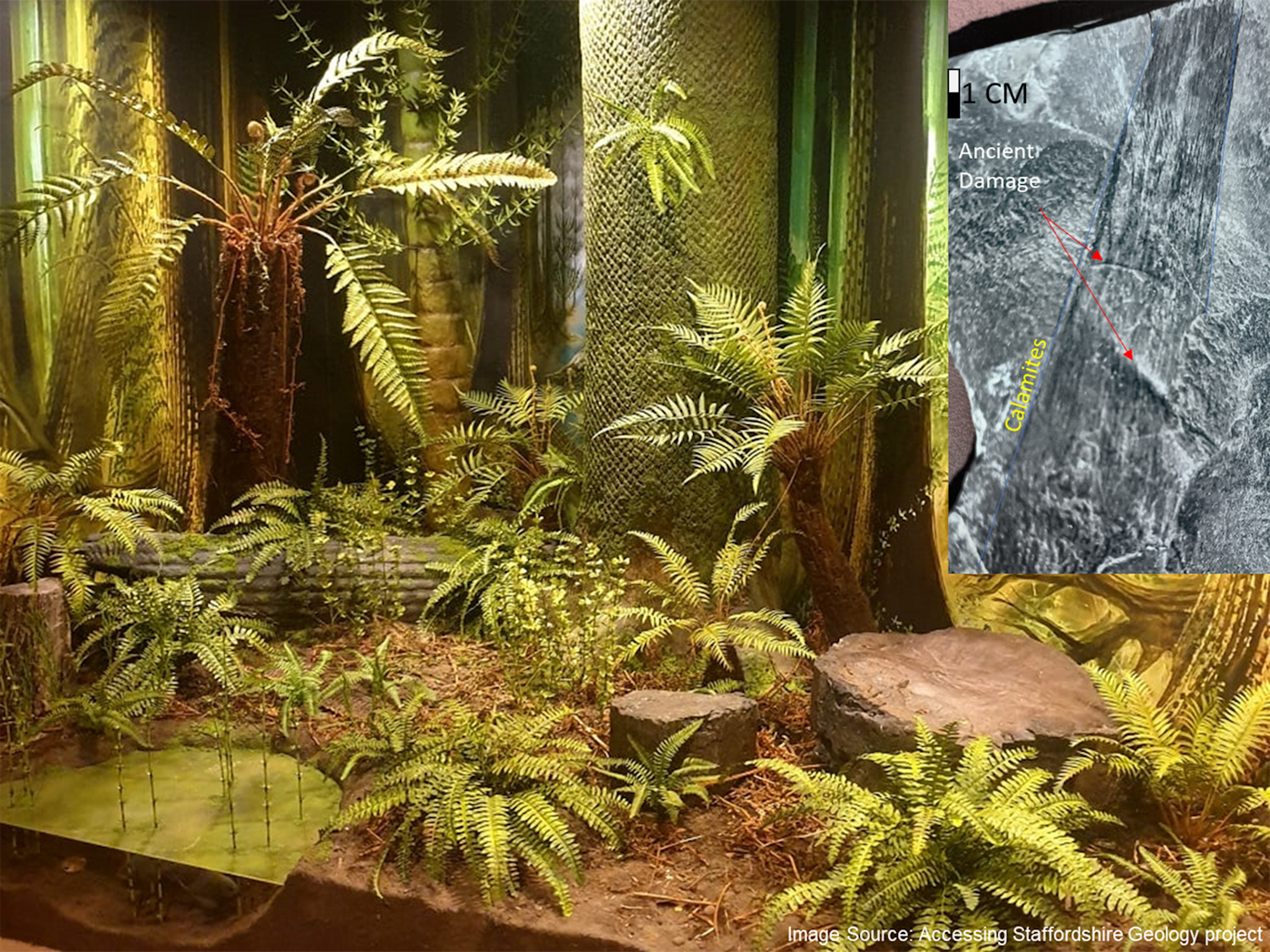
The relic in question was no ordinary stone. It was a Calamites fossil, a testament to the lush, giant ferns that once thrived over 300 million years ago during the Carboniferous period. These towering plants were part of the great coal forests that dotted the landscape, their remains compressing over millennia to form the coal measures that powered the Industrial Revolution and left an indelible mark on the Welsh identity.
What made this find extraordinary was its ancient origin and the journey it had taken to reach this unexpected resting place. The coal measures, the final resting places of these prehistoric giants, were not native to this area of Cardiff. Instead, this fragment of the Carboniferous had travelled through time and space, likely brought in as fill after the Aberfan disaster in 1966—an event that shook the nation and led to the large-scale removal of coal tips from South Wales, to prevent future tragedies. This fossilized piece of history may have been transported alongside waste from a now-vanished steelworks, a relic of Wales’s industrial might, to fill the site that eventually became Splott Market.
The discovery was not just a scientific curiosity but a mosaic piece of Welsh history, connecting the Carboniferous past with the industrial era and leading to the present day's efforts to revitalise and repurpose historic sites for future generations. The Calamites fossil stood as a silent witness to the shifts of time, from the lush greenery of prehistoric swamps to the smoke and fire of industrial furnaces, and now to the foundations of the new High School.


Tags:


 Events
 News
News