 Views
Views- Home
- News & Views
- How can Cumbria address the skills shortage?
I grew up in Cumbria, and like a lot of people, I was told early on that if you wanted to build a career, you’d probably have to leave.
For many, that’s still the default path. You leave to study, you start your career in a bigger city, and before long your network, your opportunities and your expectations are rooted somewhere else. It’s not unreasonable. The pull of London, Manchester or Leeds is real. And it has consequences for places like Cumbria. Because it shapes a narrative that simply isn’t true anymore.
Too often, careers in rural areas are still seen as a compromise. Something you come back to later in life, rather than actively choose at the start. A slower pace. Smaller projects. Fewer opportunities.
That hasn’t been my experience.
The true breadth of opportunity in Cumbria
Over the years, I’ve worked on projects across the region ranging from small, local schemes of around £10,000 through to developments in excess of £80m. The scale, complexity and responsibility are all there, just not always recognised.
And when you step back, the idea that Cumbria lacks opportunity starts to look increasingly outdated.
This is a region with nationally significant employment and investment. BAE Systems in Barrow continues to expand, driving high-value engineering and advanced manufacturing. Sellafield remains one of the UK’s most important infrastructure and nuclear sites, underpinning a huge supply chain.
In Carlisle, regeneration is gathering pace, with projects around the station, the Southern Gateway, the Citadels, and Market Square and Greenmarket all reshaping the city. The University of Cumbria’s Barrow campus is another clear signal that the region is investing in its future skills base.


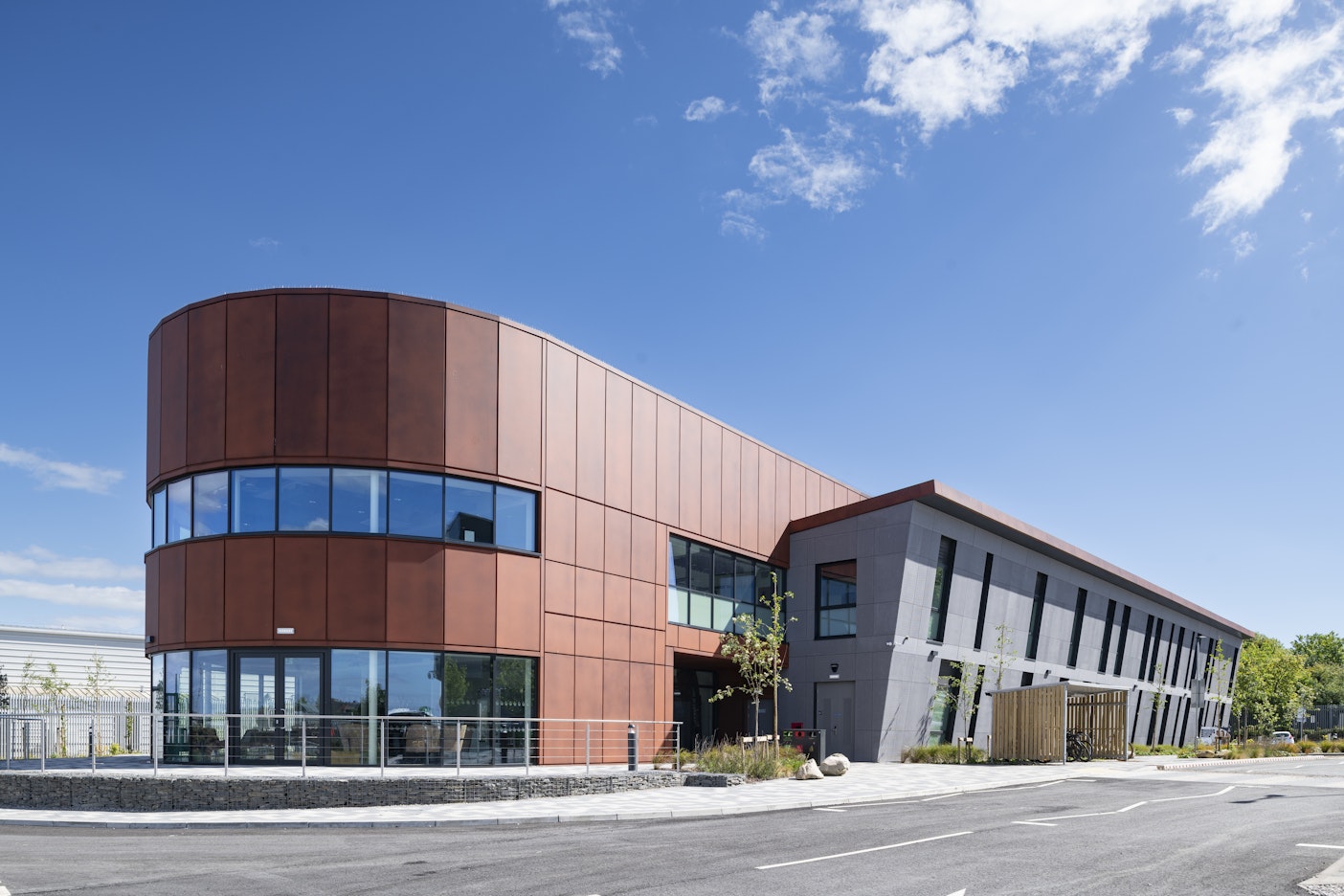
This isn’t a quiet backwater with a purely tourist-driven economy. It is a place where major, complex construction and infrastructure work is happening and will continue to happen for decades.
Yet the perception has not caught up.
Enhanced access to experience
There is still a lingering stigma attached to ’rural’ careers, as if choosing to work outside a major city means limiting your professional development. In reality, I would argue the opposite is often true. In a regional market, you are more likely to experience early responsibility, broader exposure and a clearer sense of the impact you are making. You are not one small part of a large machine. You are often right at the centre of it.
The problem is that many people never get far enough into that journey to realise it.
Partly, that is structural. If you leave Cumbria to study, which many do, your early career naturally develops elsewhere. Staying away becomes the easiest option.
But partly, it is cultural. If the message you grow up with is that opportunity exists somewhere else, then that is where you go looking for it.
So maybe we have been framing the issue in the wrong way.
Repositioning Cumbria as the ‘Place to Be’
The question should not just be how we stop people leaving, because we will not. Nor should we. Gaining experience elsewhere is valuable. The real question is how we make Cumbria somewhere people actively choose to return to, and how we attract people who have never been here in the first place.
That requires a shift in how we talk about the region.
Right now, we undersell it.
We do not talk enough about the scale of opportunity, the diversity of work or the long-term investment that underpins it. Instead, we default to softer selling points such as lifestyle, landscape and quality of life.
Those things matter. They are part of why I have chosen to build my career here. I value the access to the outdoors, the pace of life and the connection to place. But we should not rely on that alone.
Because for many people, particularly early in their careers, that will not be enough.
And it should not have to be.
Cumbria should not be framed as a trade-off between career and lifestyle, as if you must sacrifice one for the other. The reality is that you can build a meaningful, progressive career here while also accessing a quality of life that is increasingly hard to find in larger cities.
In our own business at Curtins, we see both the opportunity and the challenge. We invest heavily in developing people, from apprenticeships through to leadership, but attracting talent into a rural market is still difficult. That tells you this is not about individual companies. It is about the system as a whole.
Cumbria Tourism has been highly effective in reshaping how people see the region as a place to visit. We need the same level of intent and coordination when it comes to careers.
That means earlier engagement with schools and colleges, clearer pathways into industry, and better alignment between education and employment. It also means being far more confident, and perhaps more unapologetic, in how we present the opportunities that already exist here.

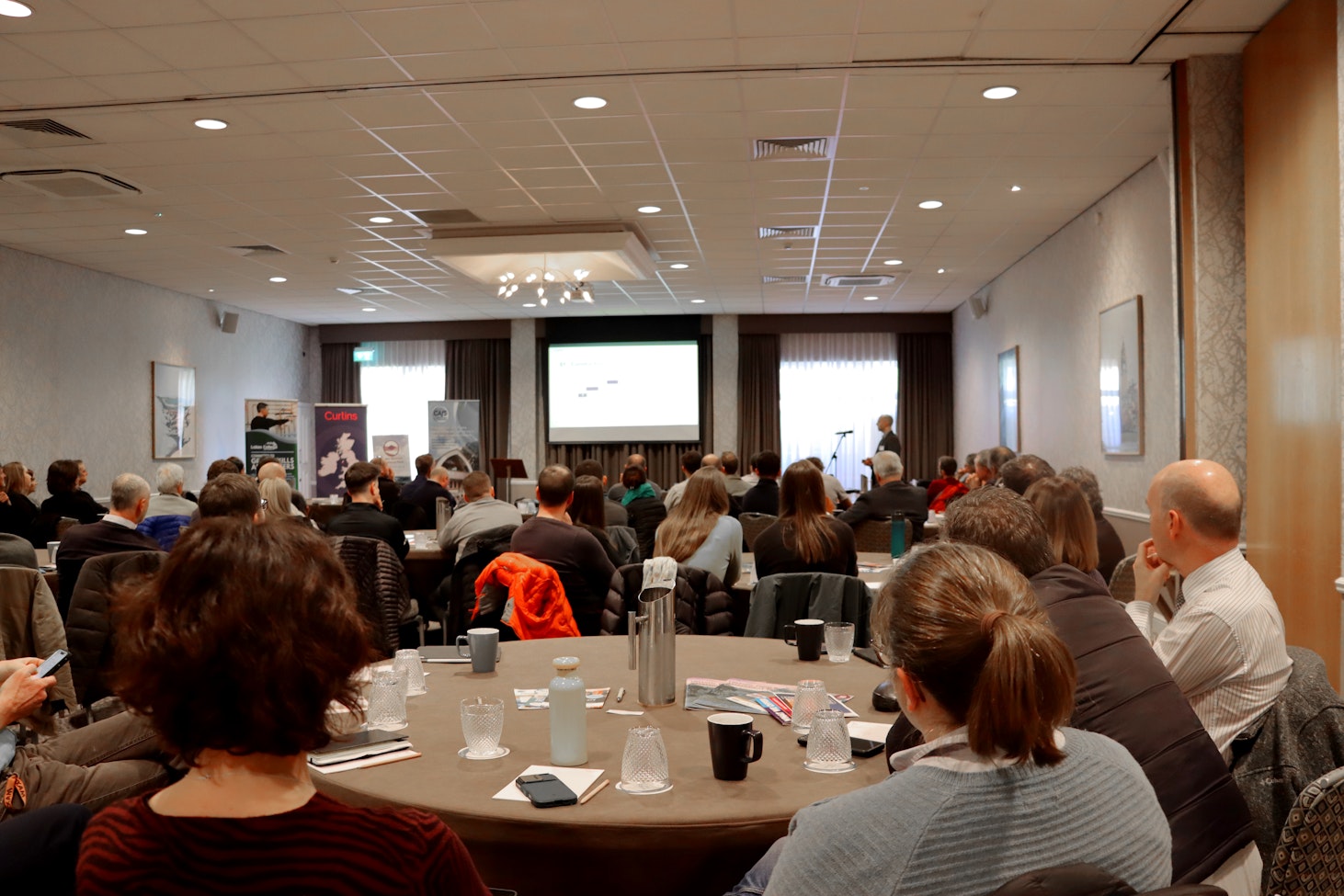
We also need to be honest about the journey.
Fulfilling futures in the county
People will continue to leave Cumbria. That is not a failure, it is reality. The opportunity lies in making sure they see a future back here. One that offers not just a good life, but a serious career.
Addressing the skills shortage is not about creating opportunity from scratch. In many ways, that already exists.
The challenge is visibility. And perhaps more importantly, belief.
Because until we change the perception of what a career in Cumbria really looks like, the gap between reality and reputation will remain.
And that, more than anything, is what we need to fix.
Interested in working for us in Cumbria?
Find out the roles we have available in our Kendal office, by clicking the below.
Explore Opportunities in Kendal Events