 Views
Views- Home
- News & Views
- How reusing buildings is fundamental to Midlands regeneration
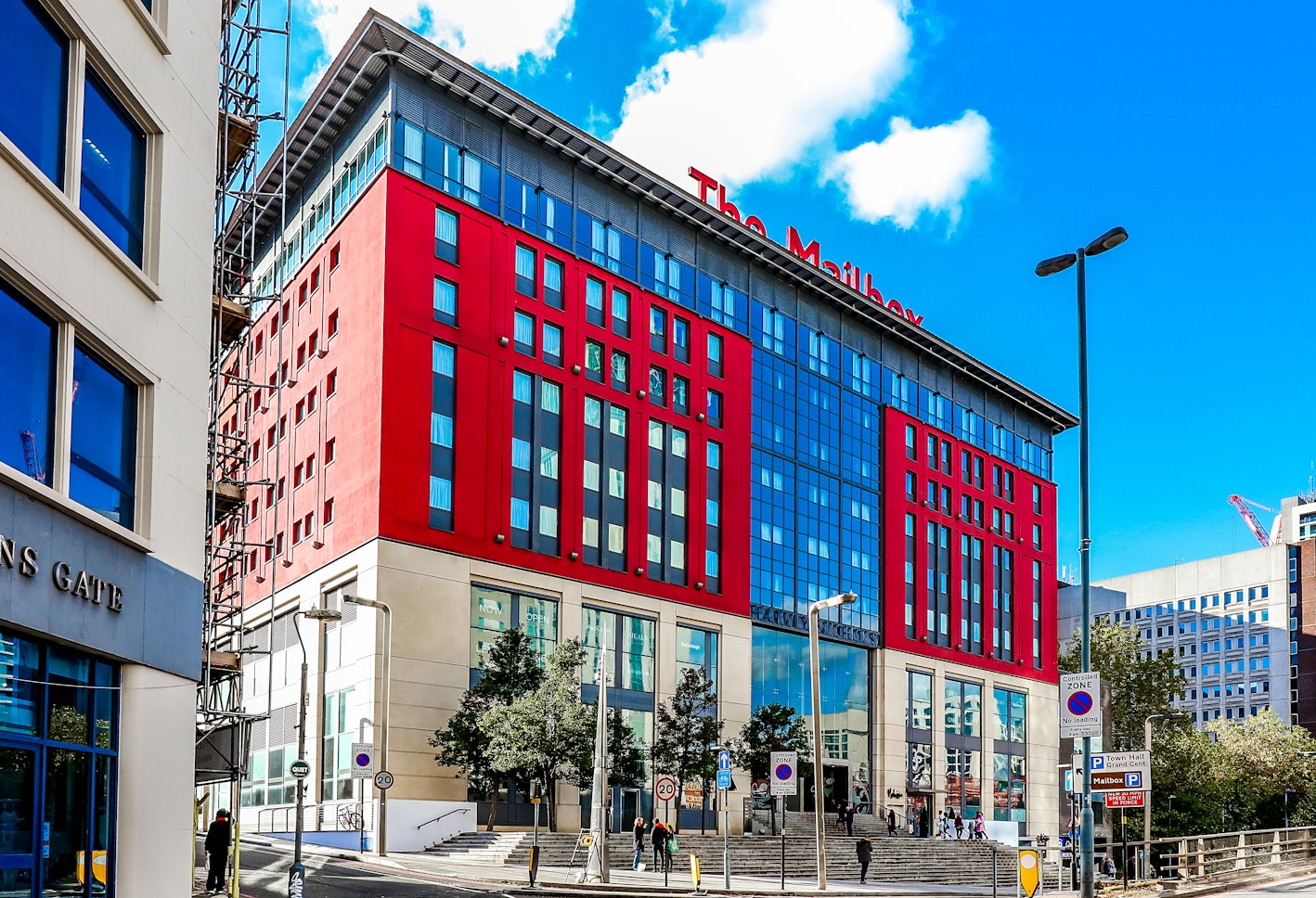
Across the Midlands and wider built environment, the industry is increasingly moving to a ‘reuse first’ approach. This is a welcome shift given the wealth of existing building stock in the region and the enormity of opportunity for embodied carbon and cost reduction.
Retaining our existing buildings delivers city landscapes that are rich in architectural variety and echo our historic and industrial past, while offering significantly better outcomes in terms of cost and embodied carbon. At Curtins, our embodied carbon database, from across several sectors, indicates that the reuse of buildings can deliver 80% less embodied carbon compared to new-build options.
With the benefits of reuse being increasingly embraced, it is worth noting that a ‘reuse first’ approach does demand a different design mindset to new-build – one rooted in understanding what we’ve inherited (whether that is stock of steel or an entire building) before deciding what comes next.
Why reuse is different
Unlike starting afresh with a blank sheet, reusing, retrofitting, or in cases like Higher Risk Residential Buildings, simply continuing in their function requires a certain level of detective work to assess risk and prove the feasibility of forward use. In the case of HRRBs, this means proving regulatory compliance with the Building Safety Act and ensuring that the structure continues to comply with building regulations.
For this, both public and private sector teams must navigate incomplete records, unknown structural histories, legacy materials and construction methods, and an evolving regulatory framework that places greater emphasis on duty‑holding and demonstrable safety.
In the Midlands, many assets built between the 1950s and 1990s are now at the point where owners need clarity to determine ongoing structural performance, risk and what is required to extend the building’s life or safely reposition it for reuse.
More structured approach to understanding existing buildings
Responding to this need, Curtins has developed Insite as a defined, disciplined and phased approach to establishing the structural health, safety classification and forward‑use potential of an existing building.
Insite brings consistency to a notoriously inconsistent area. Whether the building is a 1960s high‑rise, a non‑traditional house type, or an iconic commercial asset with architectural significance, Curtins’ framework ensures that the following essentials can be established:
Building typology and construction information
Classification under the Building Safety Act
Known issues and defects
Structural risk category and hazard profile
Recommendations and routes forward
This baseline is aligned with the Building Safety Case requirements and the RIBA Plan of Work, giving owners a clear, auditable starting point for asset transitions or the next steps in a building’s forward use.


What this looks like in practice across the midlands
Several recent Midlands projects illustrate just how varied this structured approach can be.
Solihull’s large panel system blocks
Solihull Community Housing needed a 20‑year reinspection across 50 high‑rise residential blocks, many with limited historical information. Using the Insite methodology, our team established system details, known risks and a forward approach, replacing conventional abseil or platform surveys with digital, drone‑led investigations. The result was a coordinated 10‑month programme that delivered clarity and reduced risk across the entire portfolio.
Prioritising student safety for Midlands university
Responding to a dynamic requirement for student numbers, the Curtins team were engaged by a Midlands university to provide Building Safety Case reporting to an existing 22-storey hall of residence. The study focused on the existing structural risks, full interrogated archive information, and site inspection to provide a Preliminary Structural Risk Assessment to address BSR concerns.
LPS towers
Curtins is supporting Birmingham City Council and Equans in refurbishing post-war Large Panel System tower blocks. Through evidence-led structural assessments that combine digital surveys, targeted investigations and collaborative data management, Curtins identified and addressed risks such as disproportionate collapse. Delivered across RIBA Stages 1–7, the project demonstrates how existing residential assets can be safely adapted, providing a clear, compliant strategy for continued occupation and long-term building reuse under the Building Safety Act.
Towards a reuse‑first Midlands
The Midlands has an extraordinary legacy of post‑war and late 20th century buildings. Many are reaching important decision points, whether through age, regulation, decarbonisation need or investment cycles. The region has an opportunity to lead the way in demonstrating that reuse need not be risky, inefficient or unpredictable when approached with technical rigour.
For Curtins, existing buildings are already a fundamental part of our DNA. Insite simply gives us, and our clients, a clearer place to start.
By understanding what we have, we unlock what’s possible next.
Image Credit | Gary Britton
 Events