 Views
Views- Home
- News & Views
- How MMC is Transforming the Construction Industry
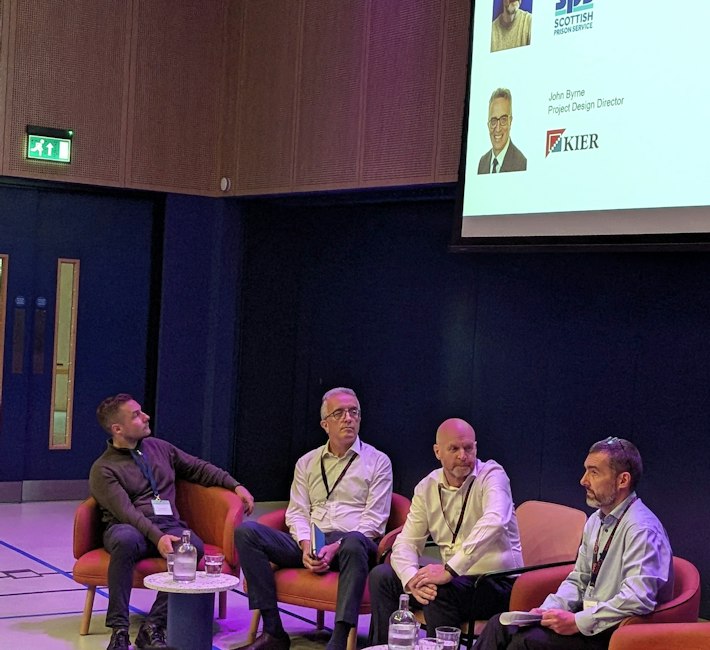
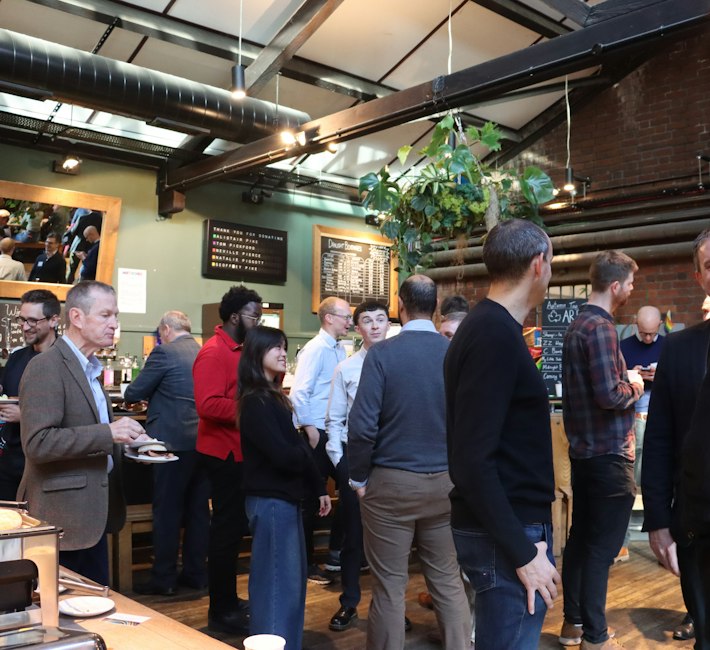
In early November, Curtins and PCE Ltd illustrated the impact of collaboration in the field of Modern Methods of Construction through an industry event with Kier Construction and Cast Consultancy. We can now reflect on how collaboration among stakeholders - the client, project manager, main contractor, specialist contractor, and consulting design team - is crucial in achieving the high standards of standardisation, repeatability, quality, and buildability essential for successful MMC delivery.
As leaders in innovative MMC solutions, we were honoured to bring together experts at the Building Centre, London to share insights on how MMC is transforming the construction landscape.
MMC isn’t merely about the components used in building. Rather, it represents a shift in the procurement model and an embrace of efficiency that redefines the construction industry.
This shift relies heavily on standardised and repeatable processes that allow for high-quality outcomes and better-built environments. Curtins has long been at the forefront of these advancements, championing change within the industry to help make MMC the new norm.
Our speakers offered perspectives from their unique position in the MMC procurement, design and construction cycle. Joe Thornton of Cast, a long-time MMC advocate, discussed the industry’s need to evolve. Cast’s work with Argent at Brent Cross, where both residential and office projects are delivered through advanced MMC solutions, exemplifies this evolution. Joe reminded us that MMC isn’t about the solution or even the outcome, it’s about the process. The industry needs to adapt its procurement model to enable earlier collaboration and design input at concept stage, to fully unlock development potential and benefits. This call for change resonated with attendees, emphasising the critical role that innovation plays in the future of construction.
Andrew Dewdney from Kier shared the contractor's journey in MMC, especially their trailblazing work in the Ministry of Justice (MOJ) sector, hospitals, research buildings, and for the Ministry of Defence (MOD). Kier’s use of Design for Manufacture and Assembly (DfMA) has allowed them to push the limits of what is possible within MMC, contributing significantly to their success and positioning them as industry leaders. Andrew’s insights illustrated the benefits of MMC in terms of efficiency and quality, which can transform complex projects in sectors that demand precision and durability.
A collaborative environment along with early engagement have always been pivotal to the successful delivery of DfMA solutions. In the future, we intend to embed a more ‘systemised approach’ within our solutions to offer our clients even greater transparency as to how to maximise the benefits of them adopting a DfMA strategy for delivering their projects.
Simon Harold of PCE, one of the leading MMC contractors in the UK, shared how his company has achieved year-on-year growth by delivering innovative MMC solutions across the industry. With a focus on repeatability and quality, PCE’s MMC expertise has helped set new industry standards.
I had the pleasure of joining Simon to reflect on our years of award-winning collaboration, which serves as a model for successful MMC partnerships. Together, we’ve worked on projects that not only meet but exceed client expectations, reinforcing the value of collaboration in realising the full potential of MMC.
Simon Harold, Business Development Director at PCE comments:
As Curtins and I continue to champion innovation, we are excited about the potential of MMC to lead the way in transforming construction practices.
By embracing standardisation and a robust procurement model, we are helping reshape the future of construction to one that is more efficient, sustainable, and adaptive.
Our event, with its focus on collaboration, provided a powerful reminder that successful MMC relies on the synergy of all parties involved. We look forward to continuing our role at the forefront of MMC, driving the industry forward and shaping a more innovative and resilient built environment to the benefits of our clients and the communities we serve.
 Events